


Average skill-acquisition time
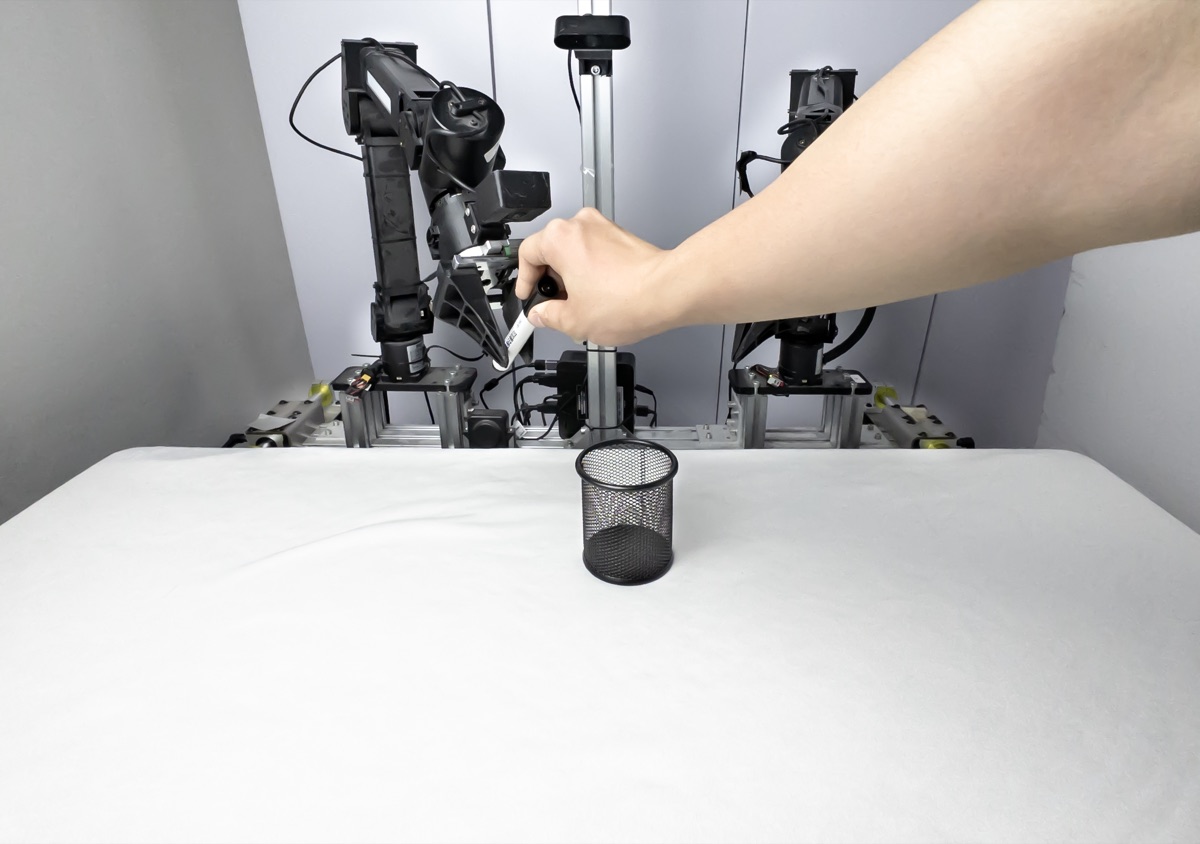
HOST: Robots acquire manipulation skills in seconds from a single human video
Beijing Institute of Technology · X SQUARE ROBOT · Tsinghua University
Single human video.
Inference-time acquisition.
Inference-time skill acquisition
Success on novel tasks
Faster than π0.5 + SFT
Performance retained
01 — Overview
One demonstration · no parameter update
Robots acquire manipulation skills in seconds from a single human video.
Despite substantial progress in robot learning, teaching a robot each new skill still relies on a cumbersome training-time loop, a process that is costly, slow, and self-defeating.
HOST thereby enables the robot to actively follow the demonstrated procedure and adapt it to the robot's own embodiment.
Paradigm Comparison
Current
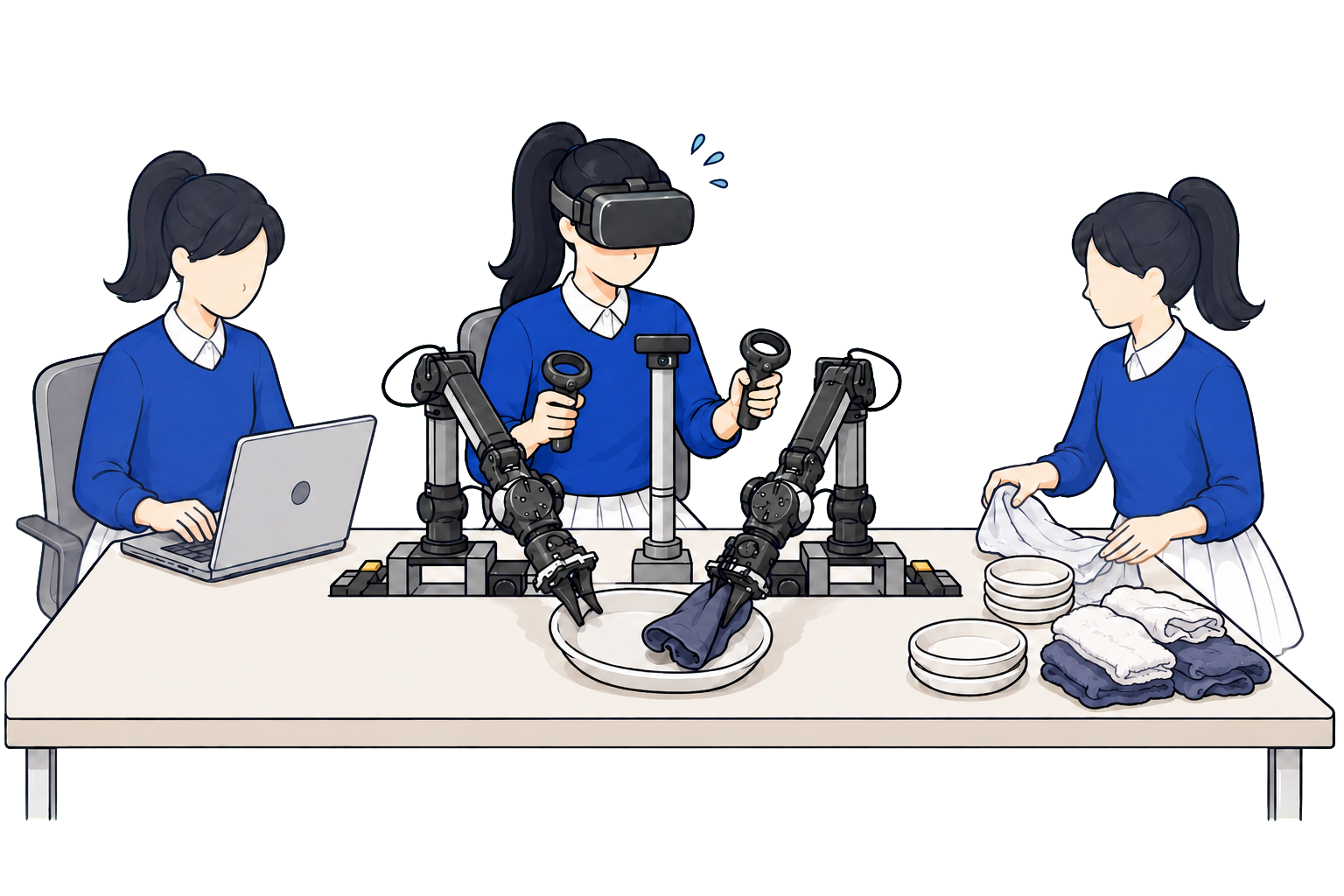 Burdensome Data Collection
 Compute-intensive
Retraining
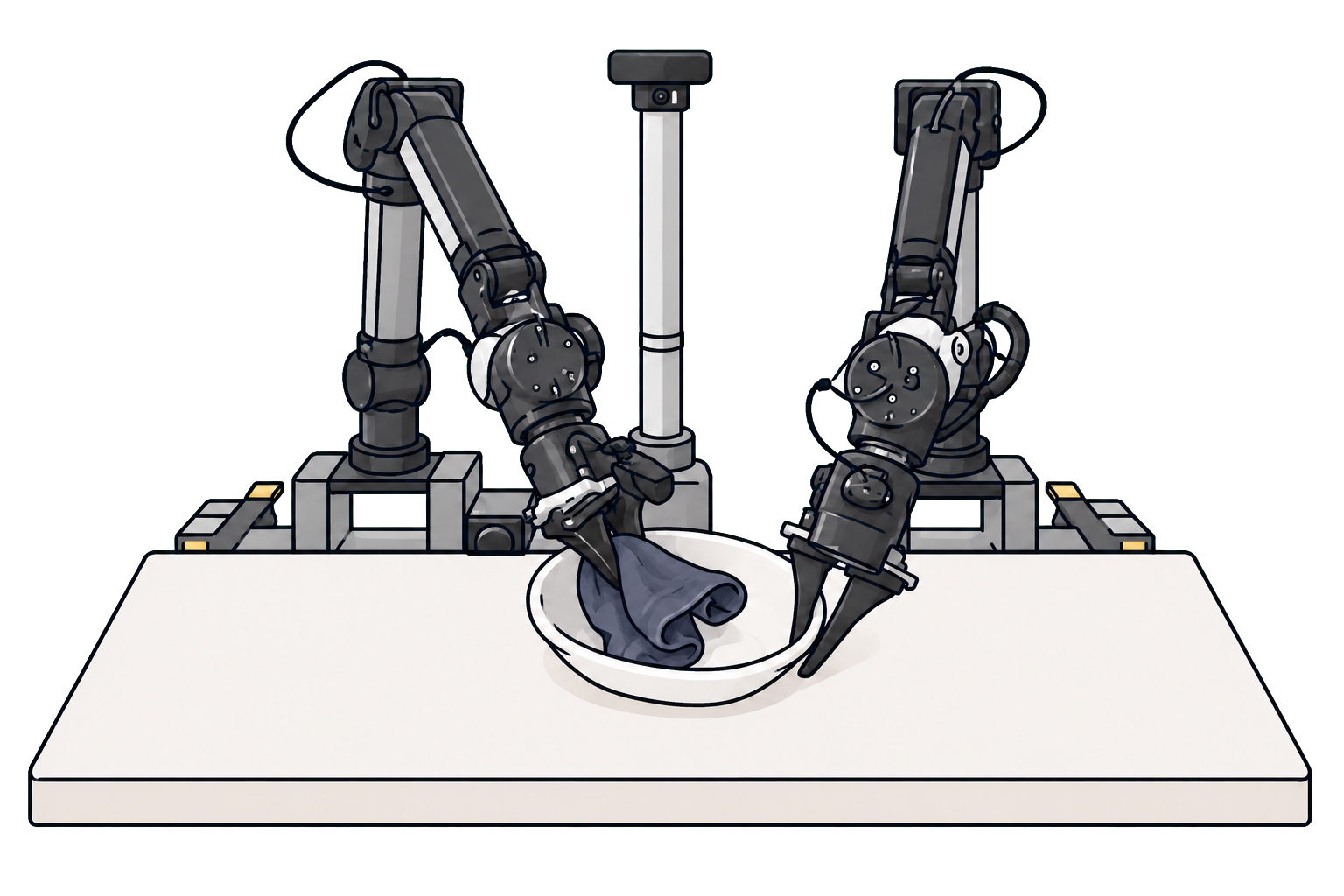 Execution
 ×
× ×
× ×
× ✓Catastrophic Forgetting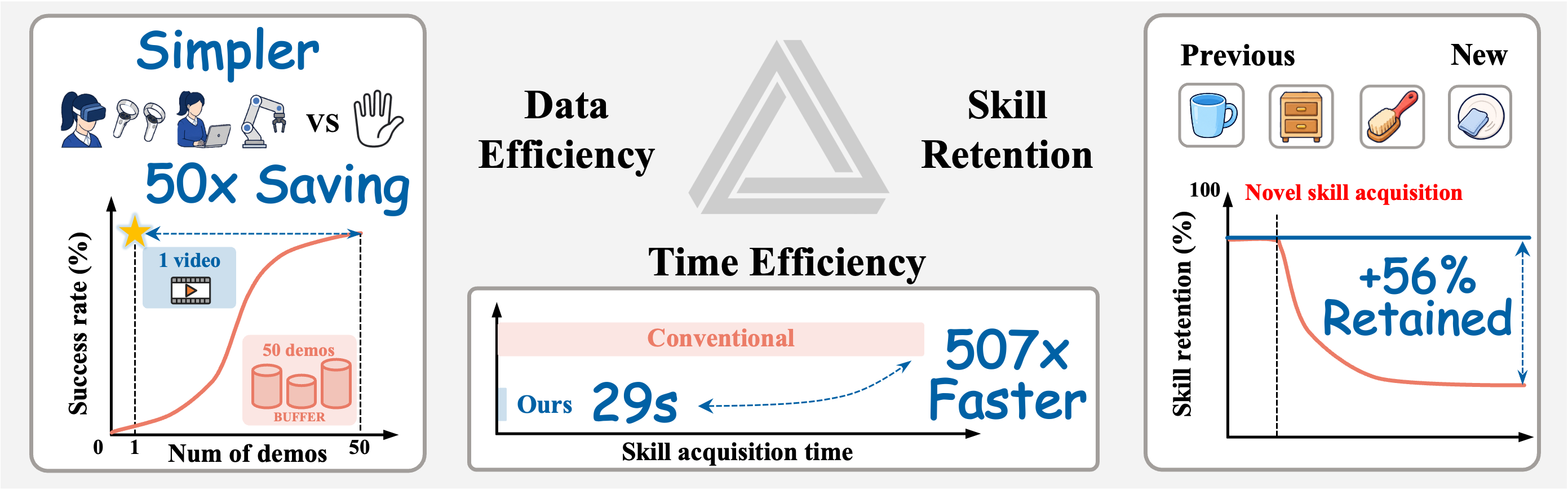
Ours
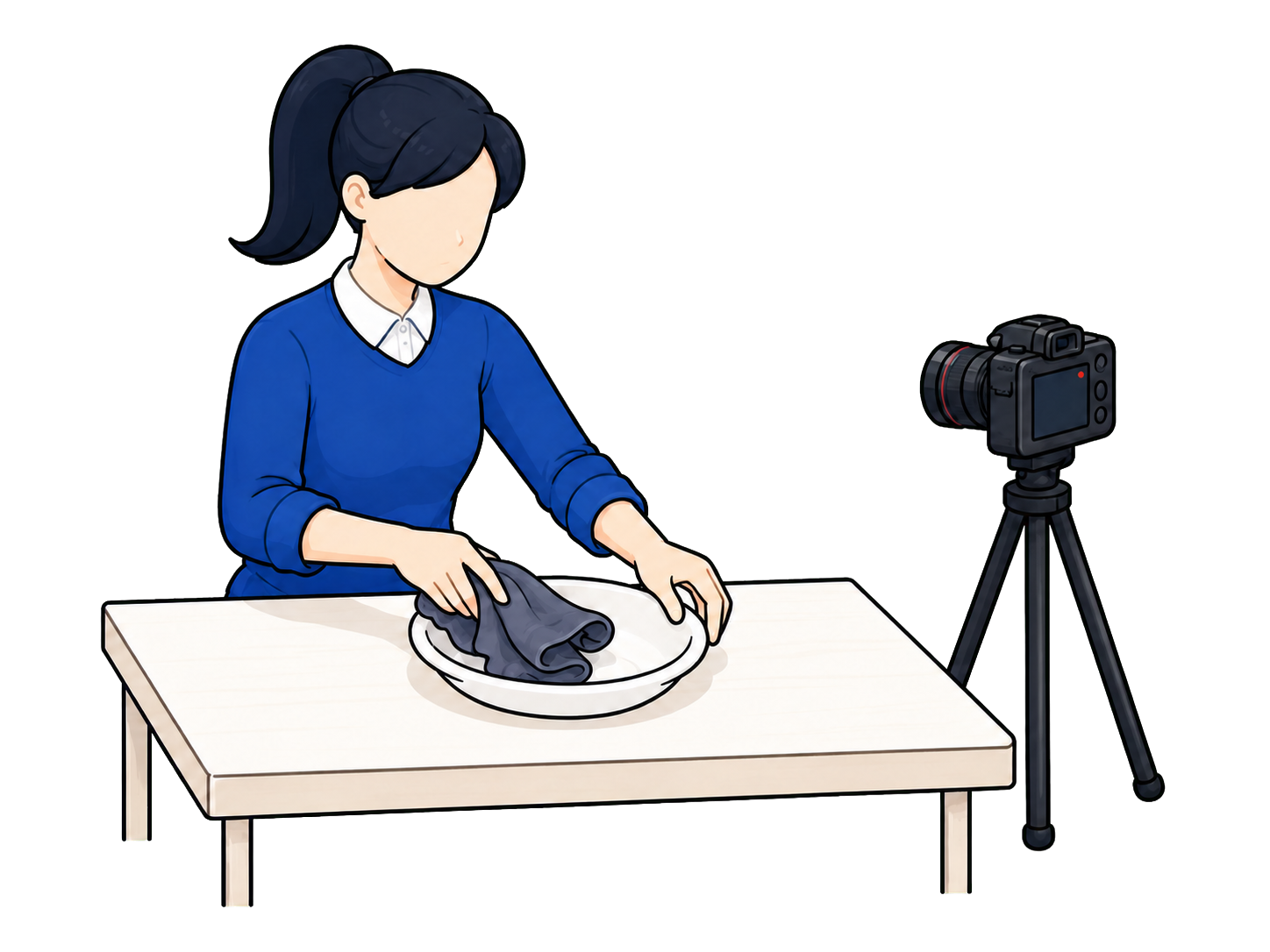 Single Human Video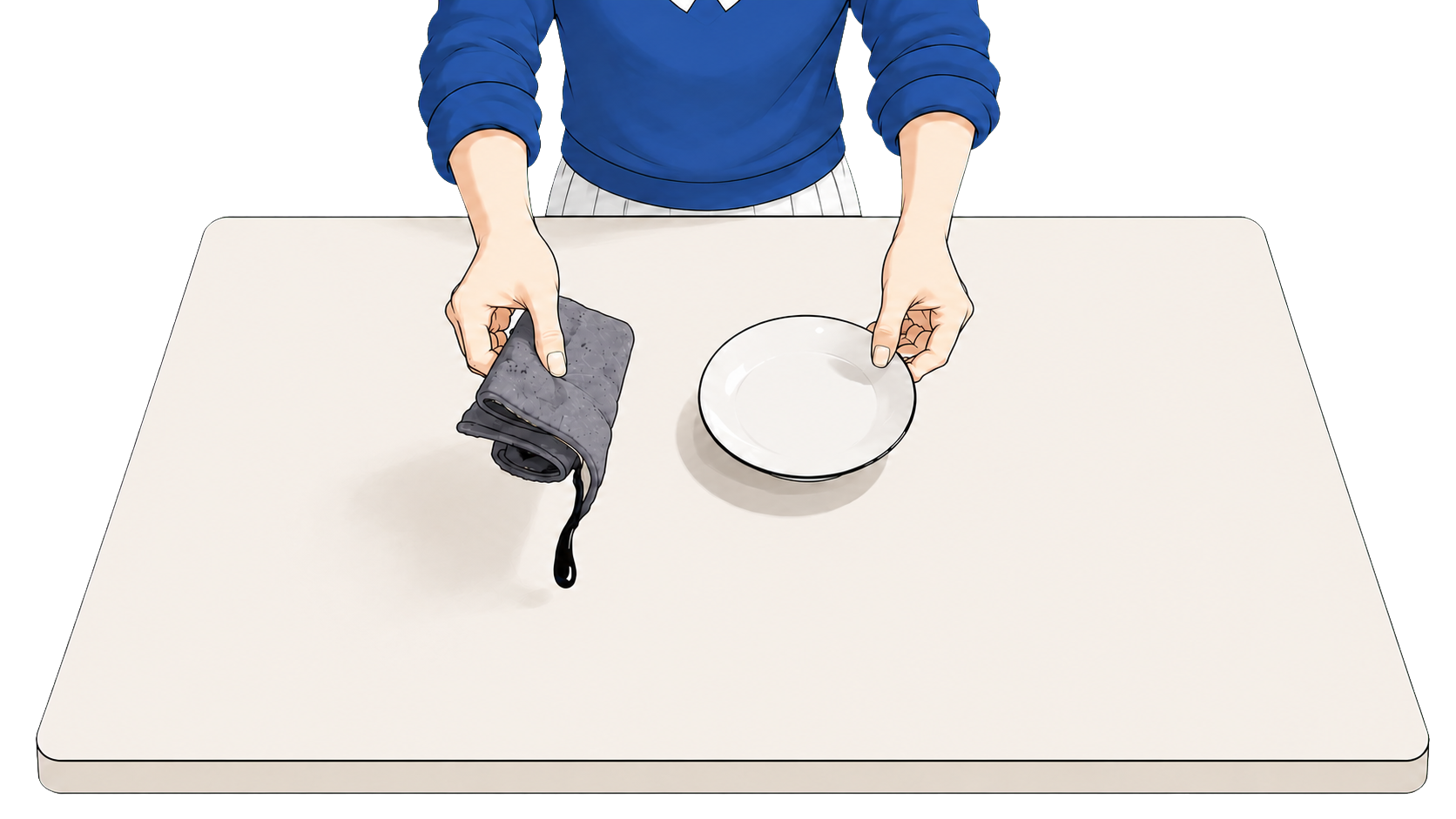
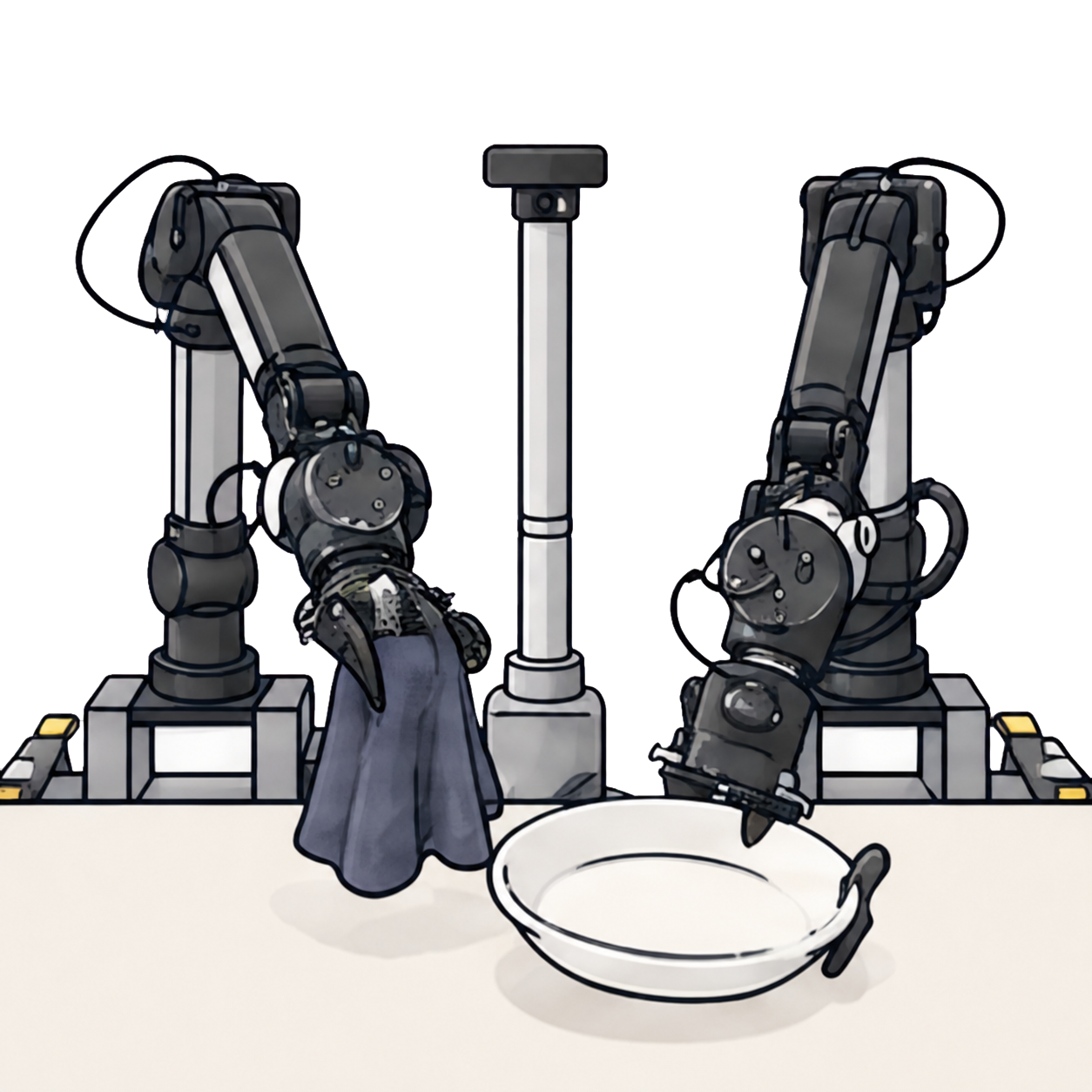
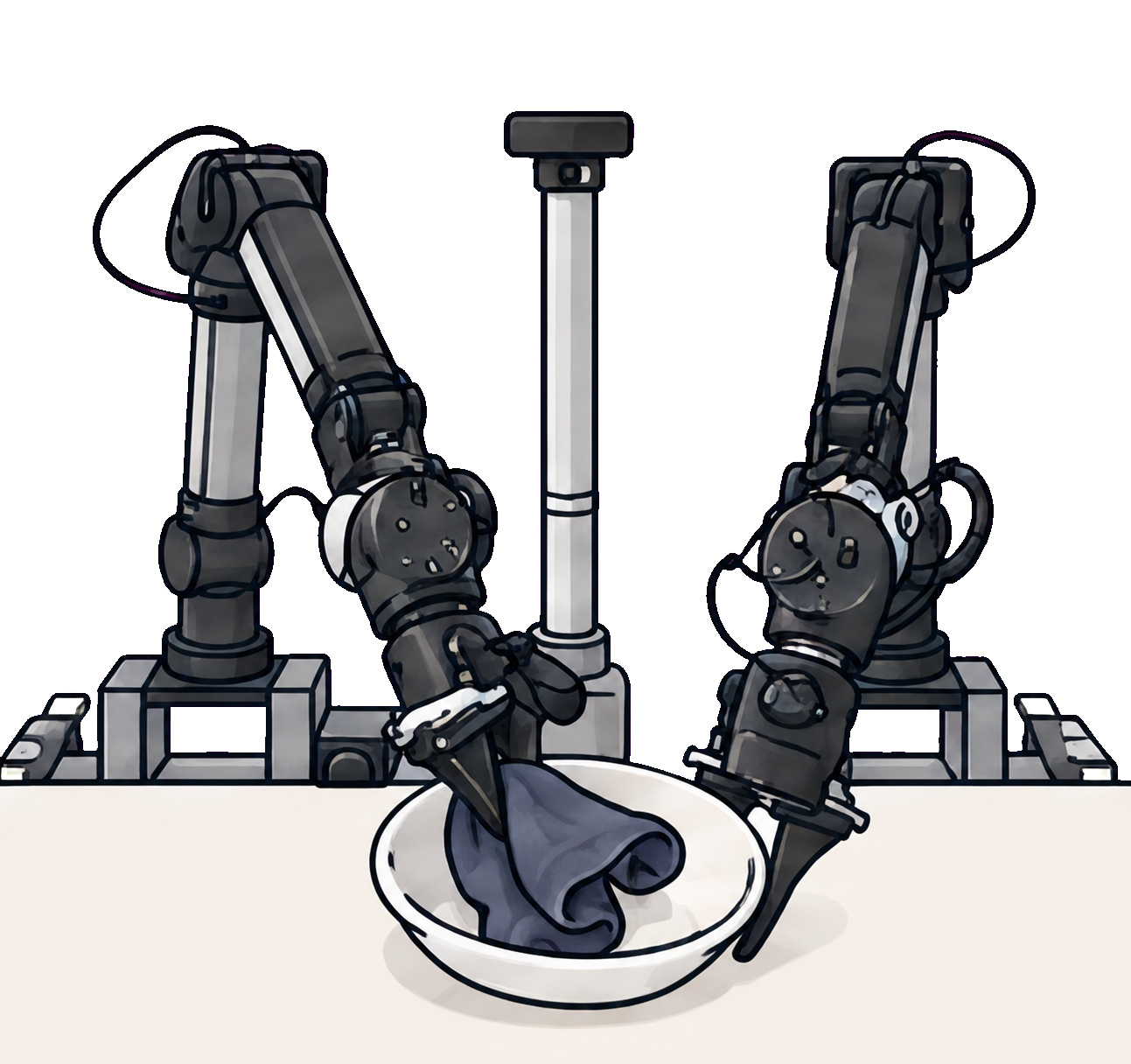 Execution✓✓✓✓Skill Retained
Challenges
Human
Video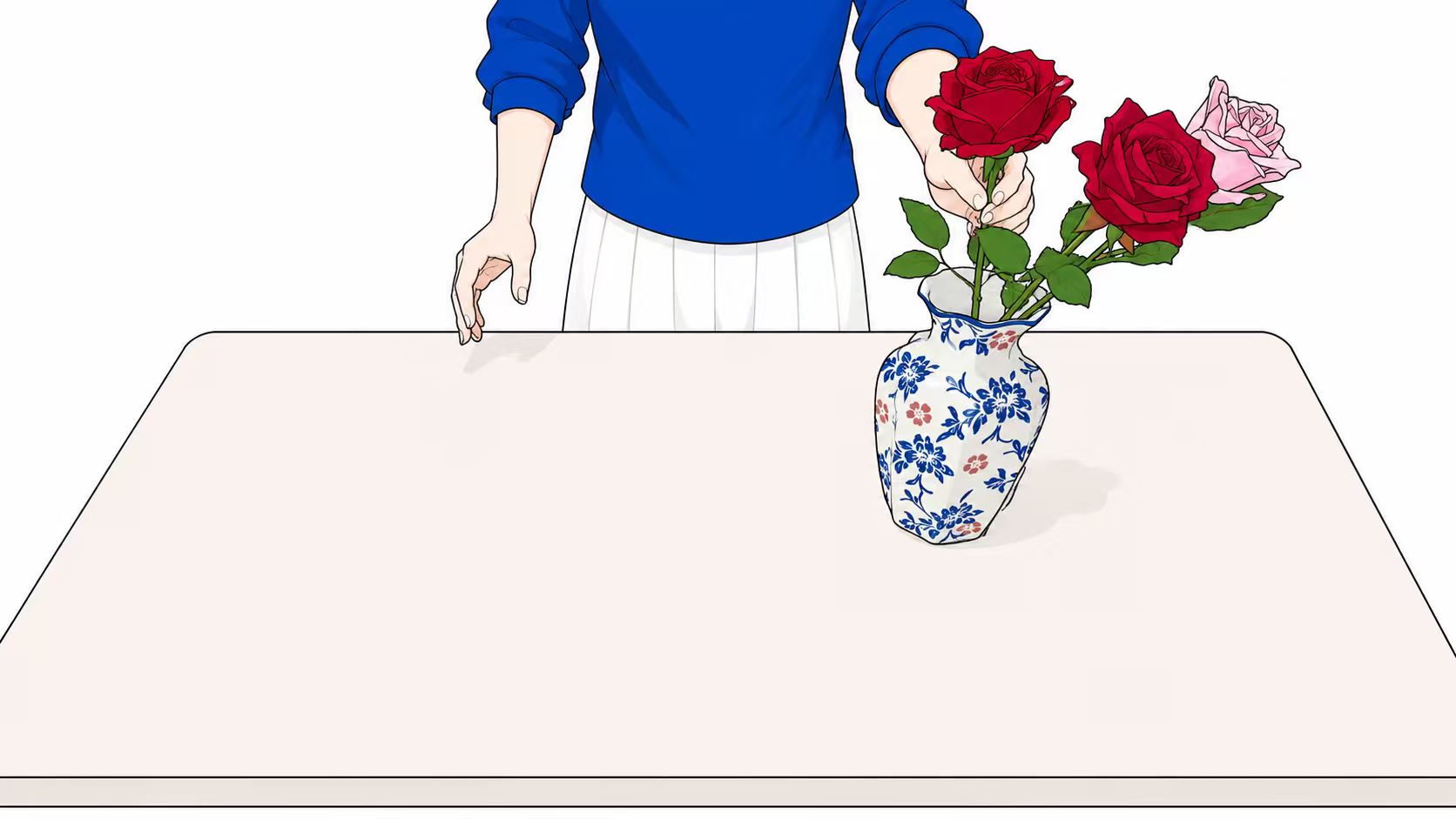
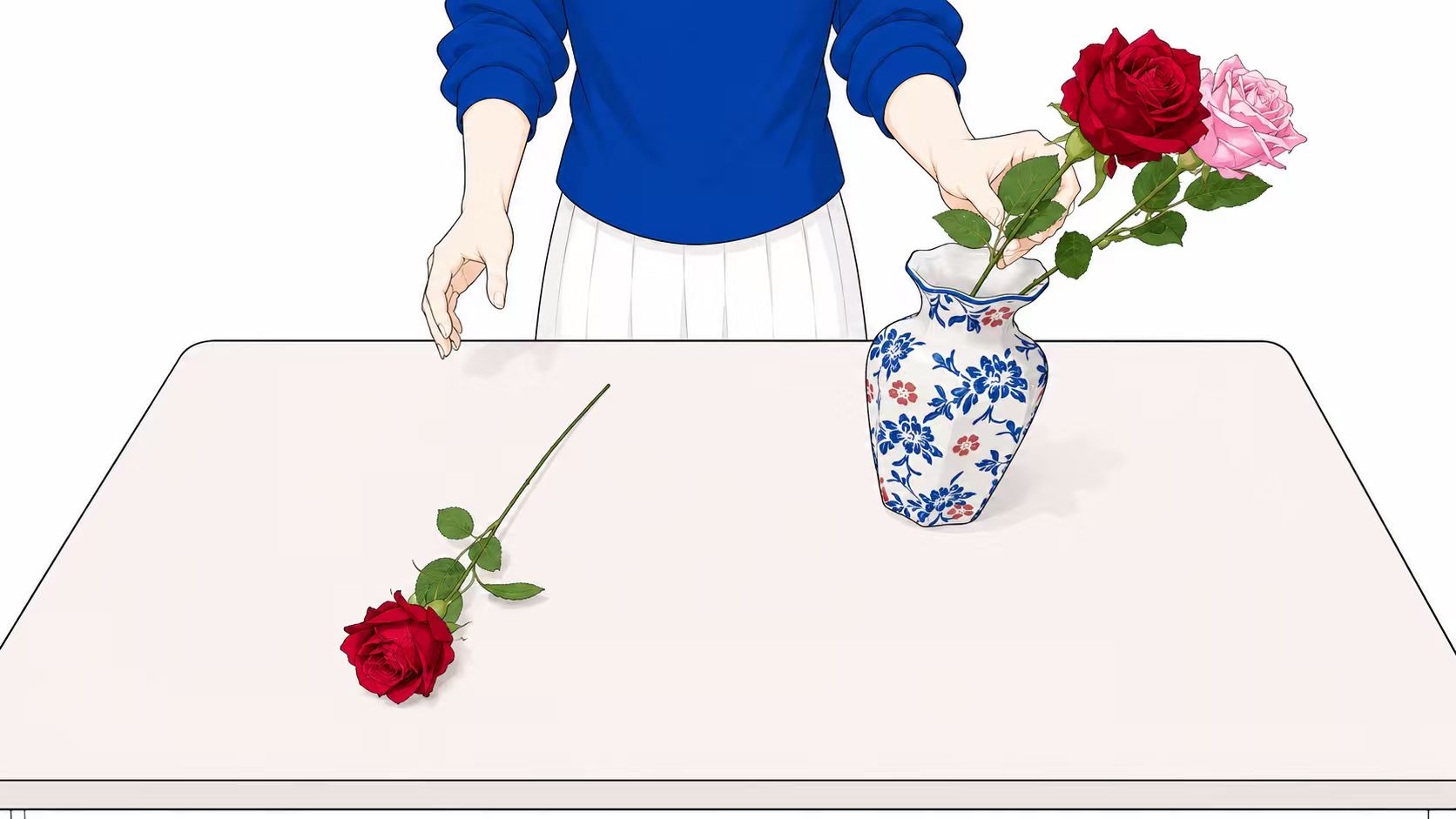
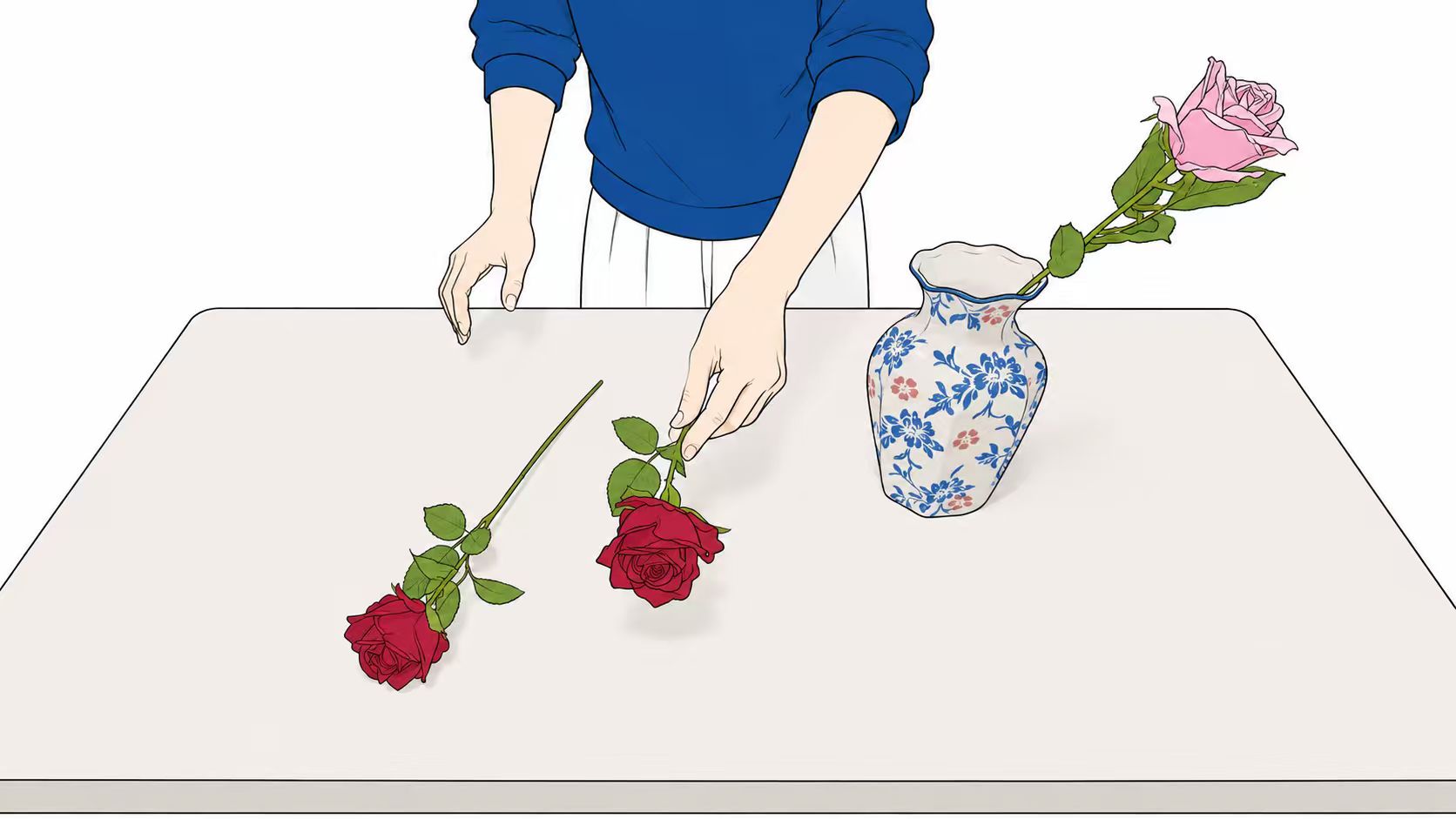
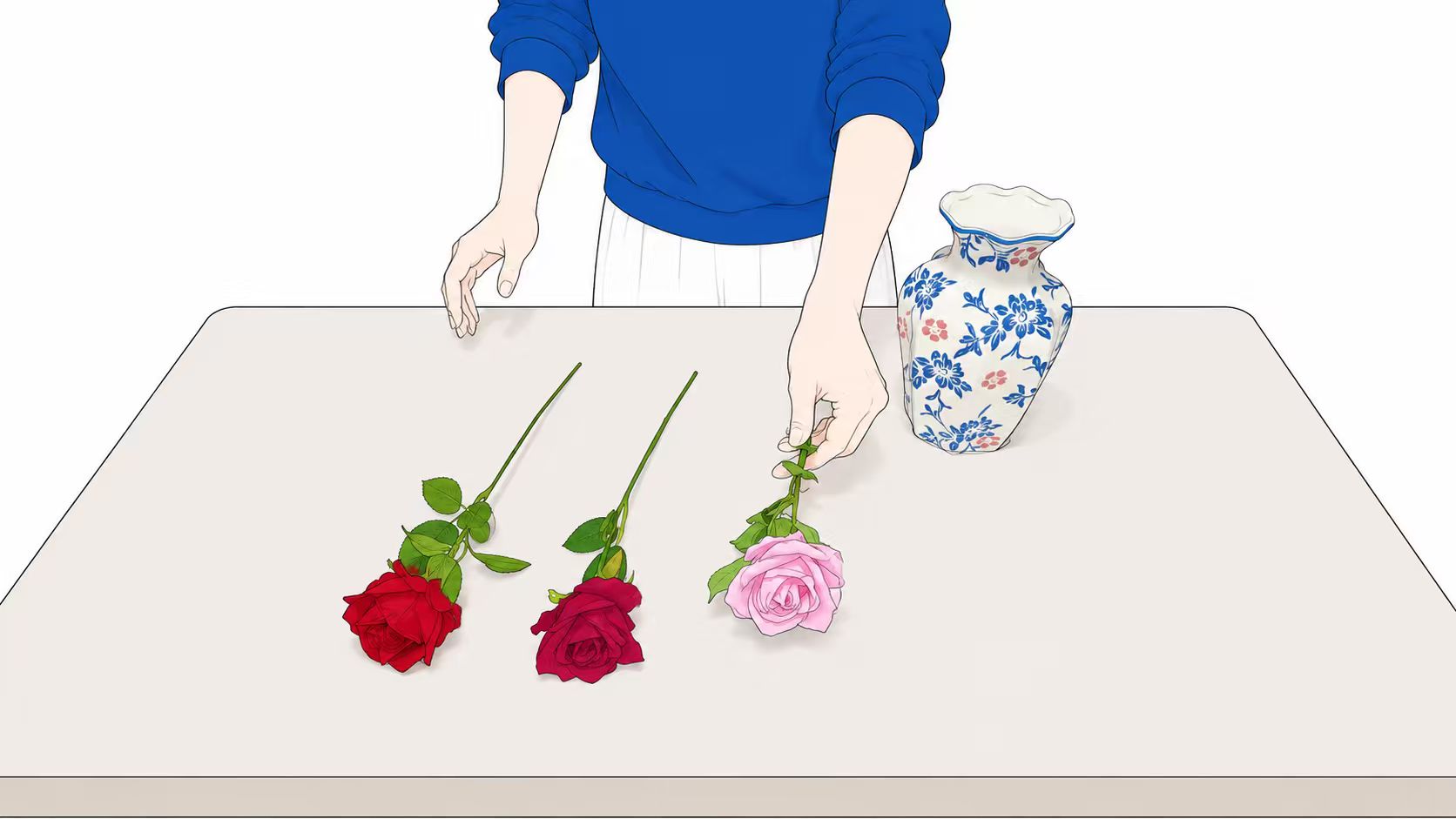
Video
Temporal
Misalignment
Misalignment
State
Mismatch Embodiment
 Object
 Scene
Scene Viewpoint
Mismatch
EmbodimentObjectSceneViewpointRobot
Trajectory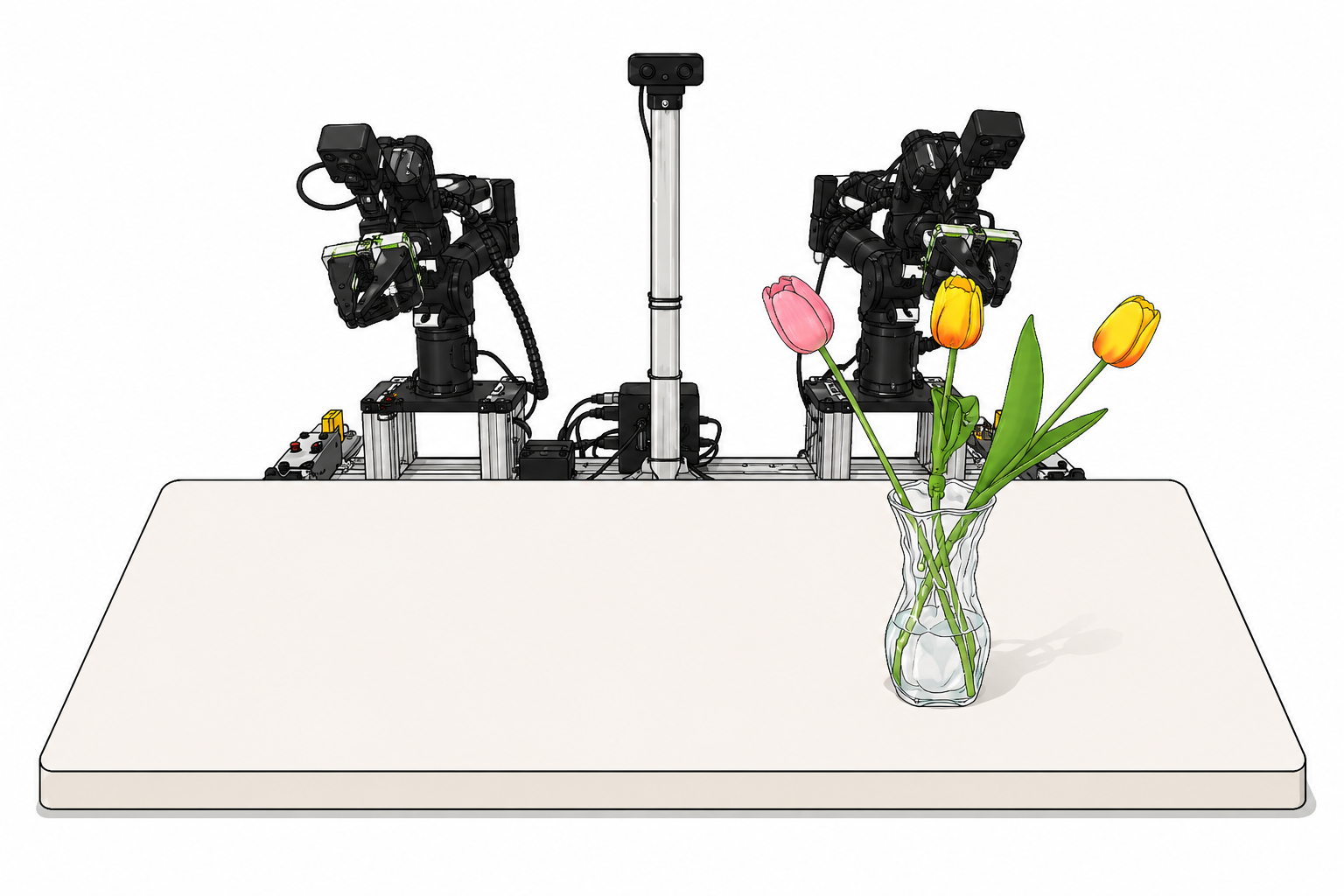
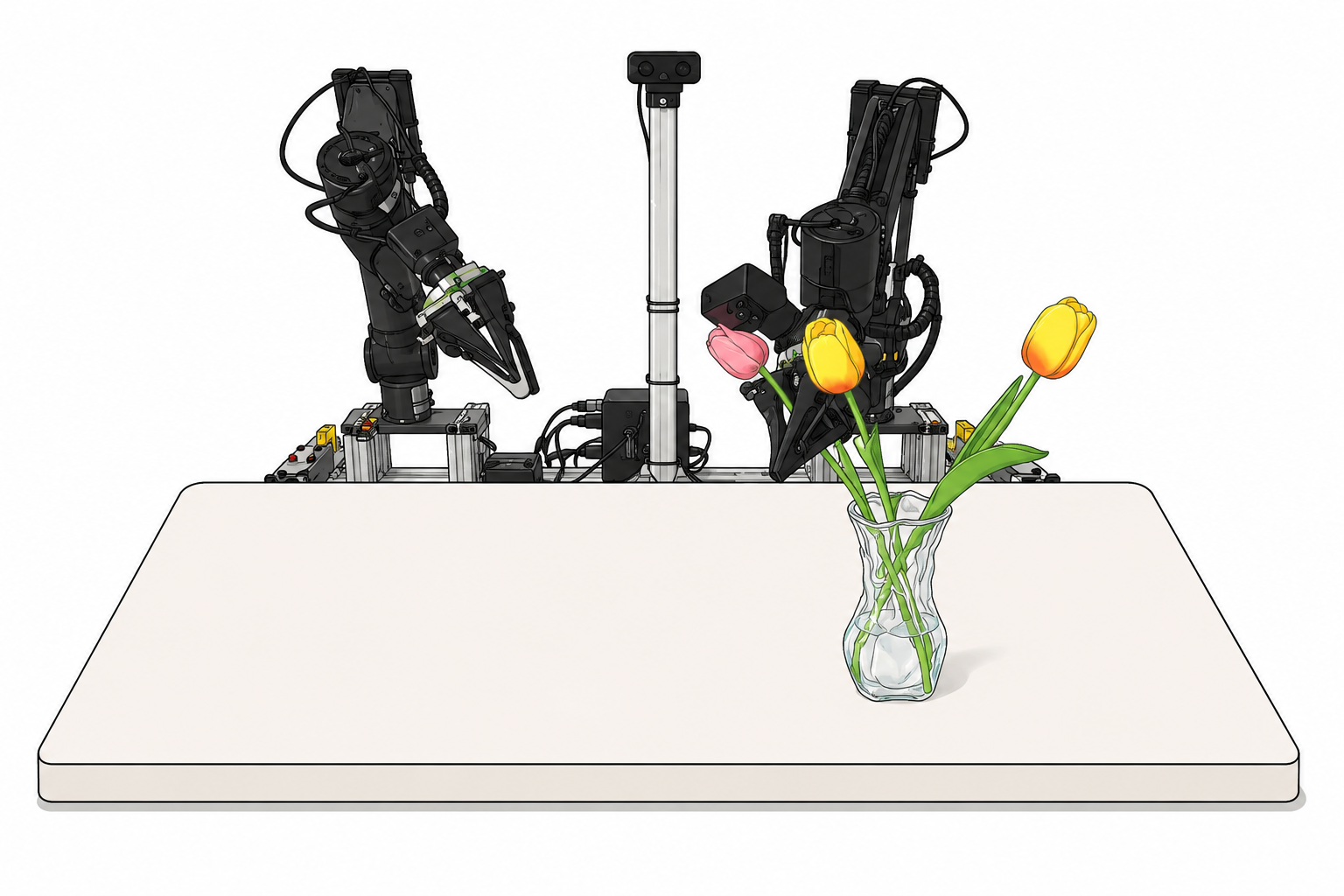
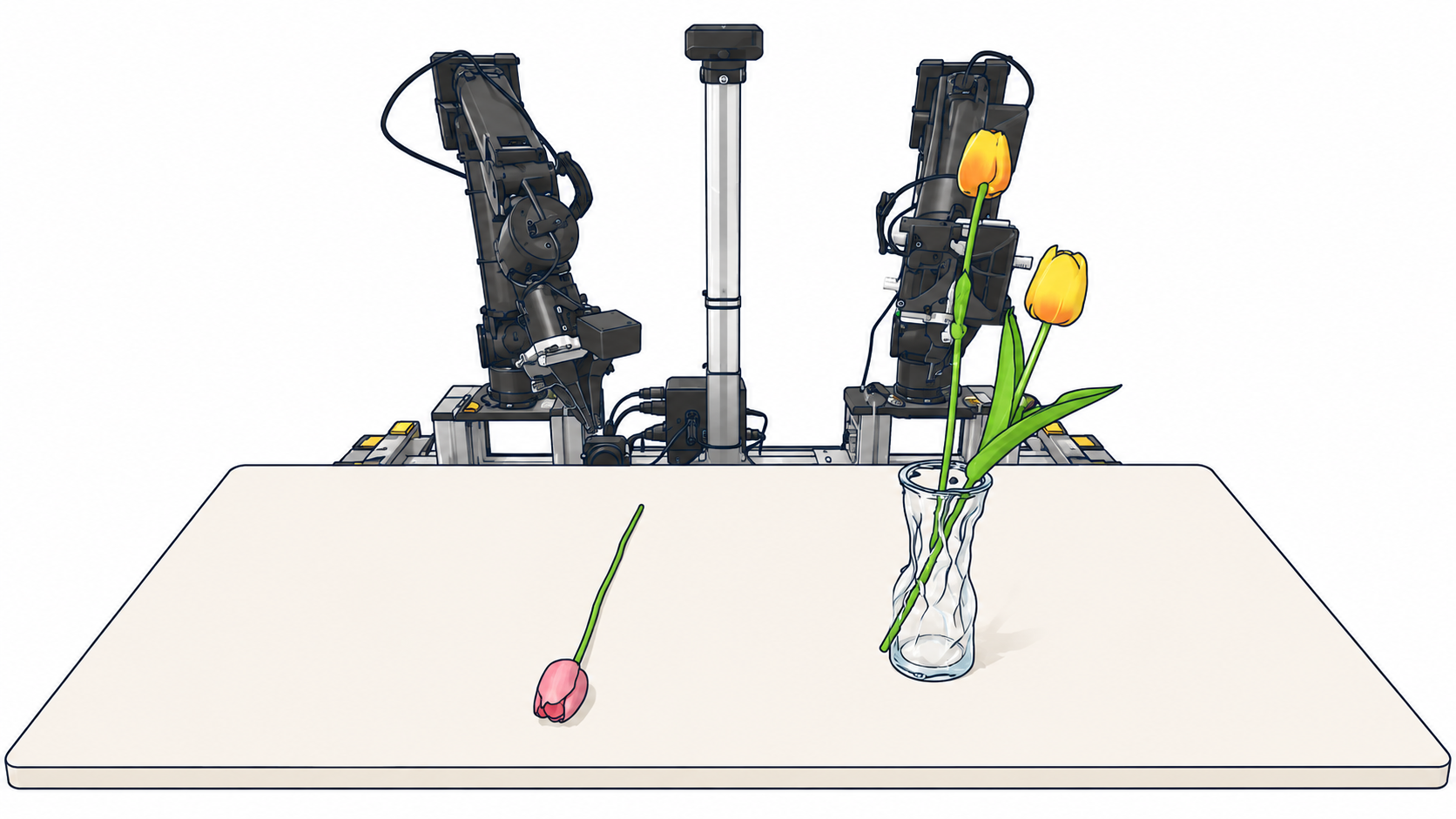
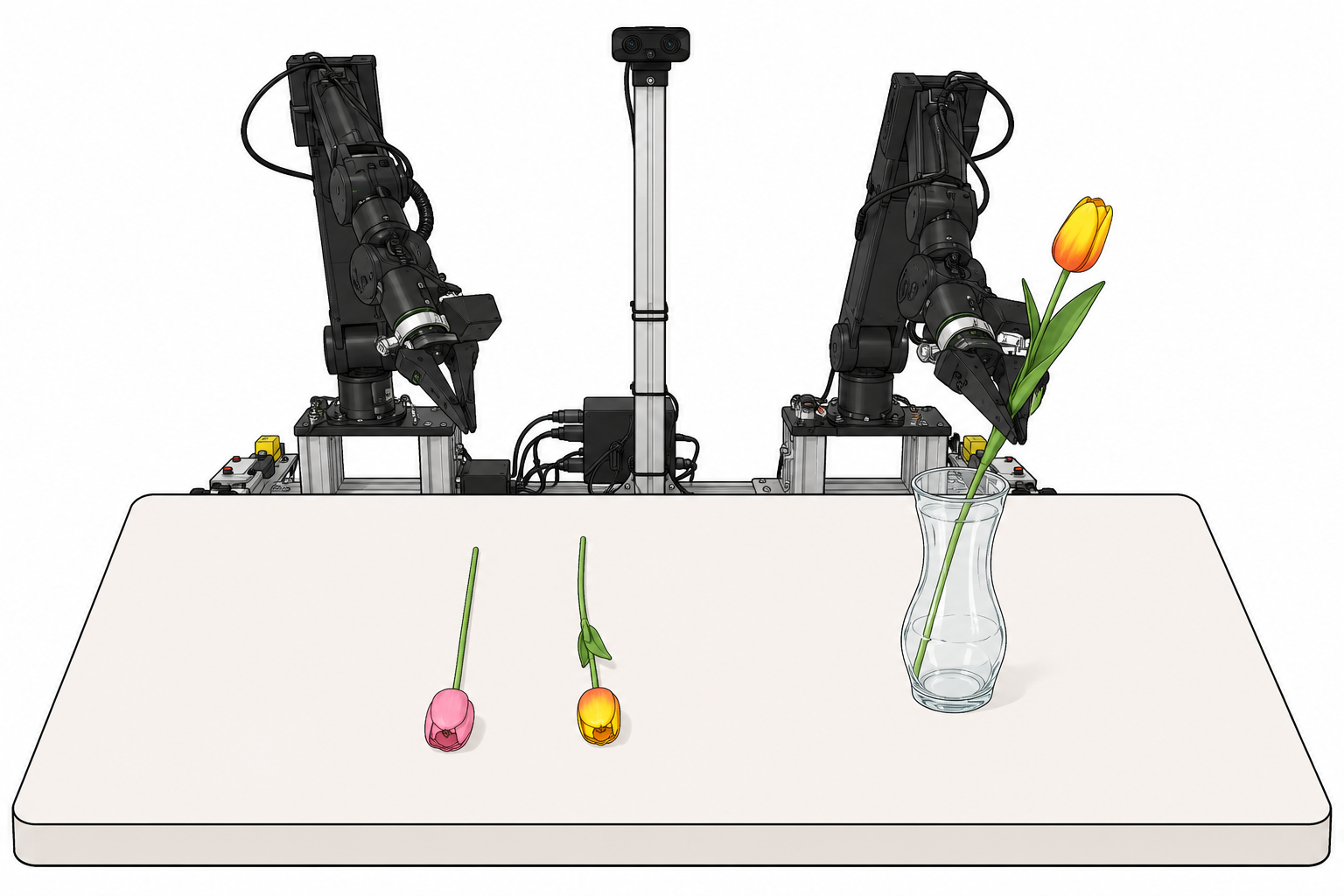
Trajectory
Solutions
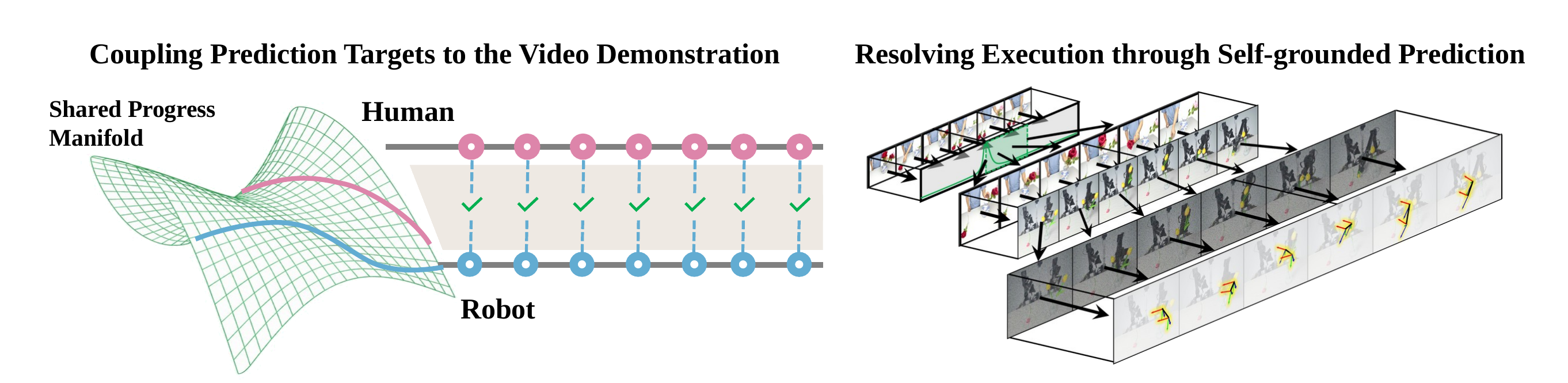
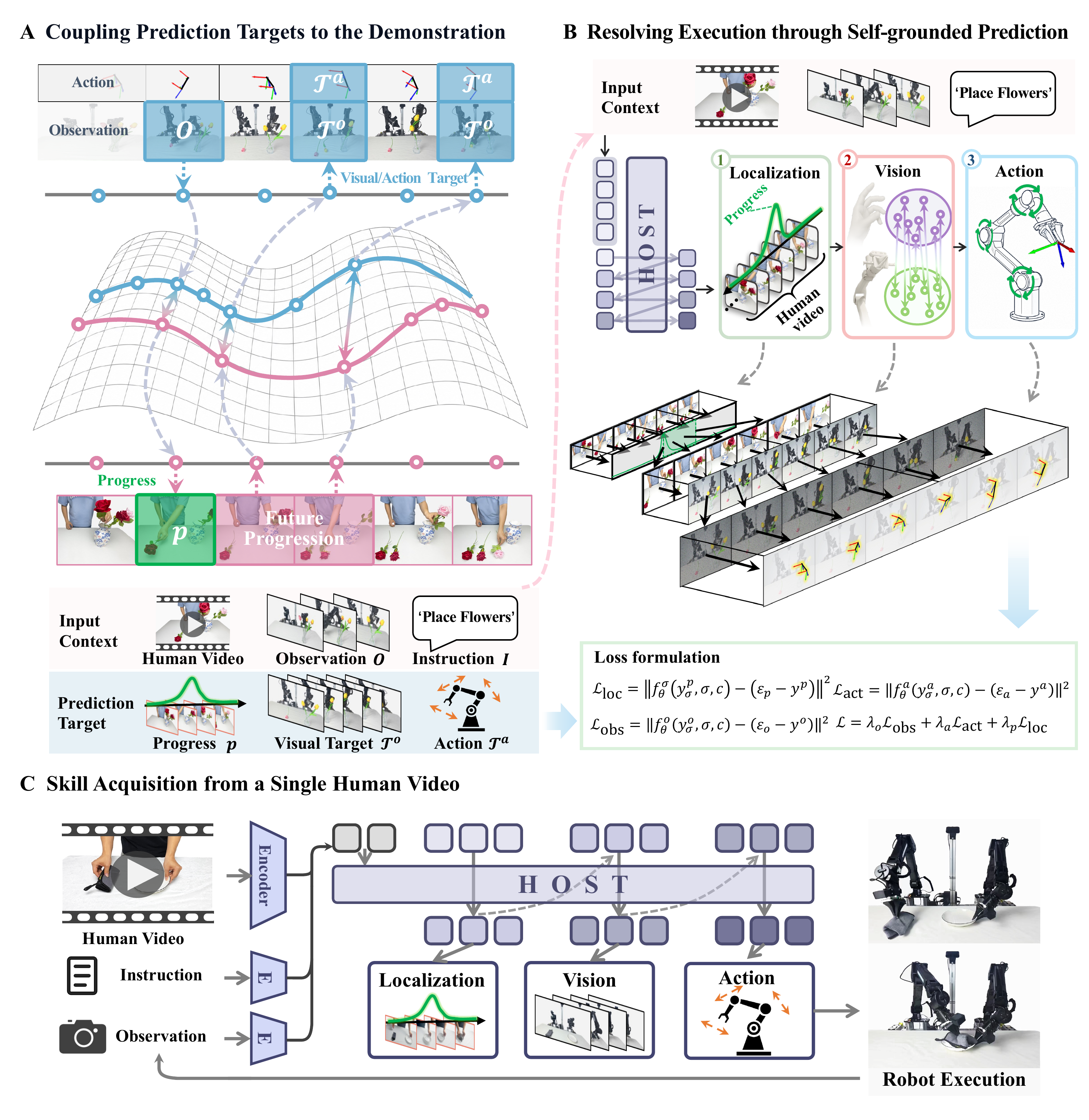
02 — Method
03 — Videos
HOST in the real world
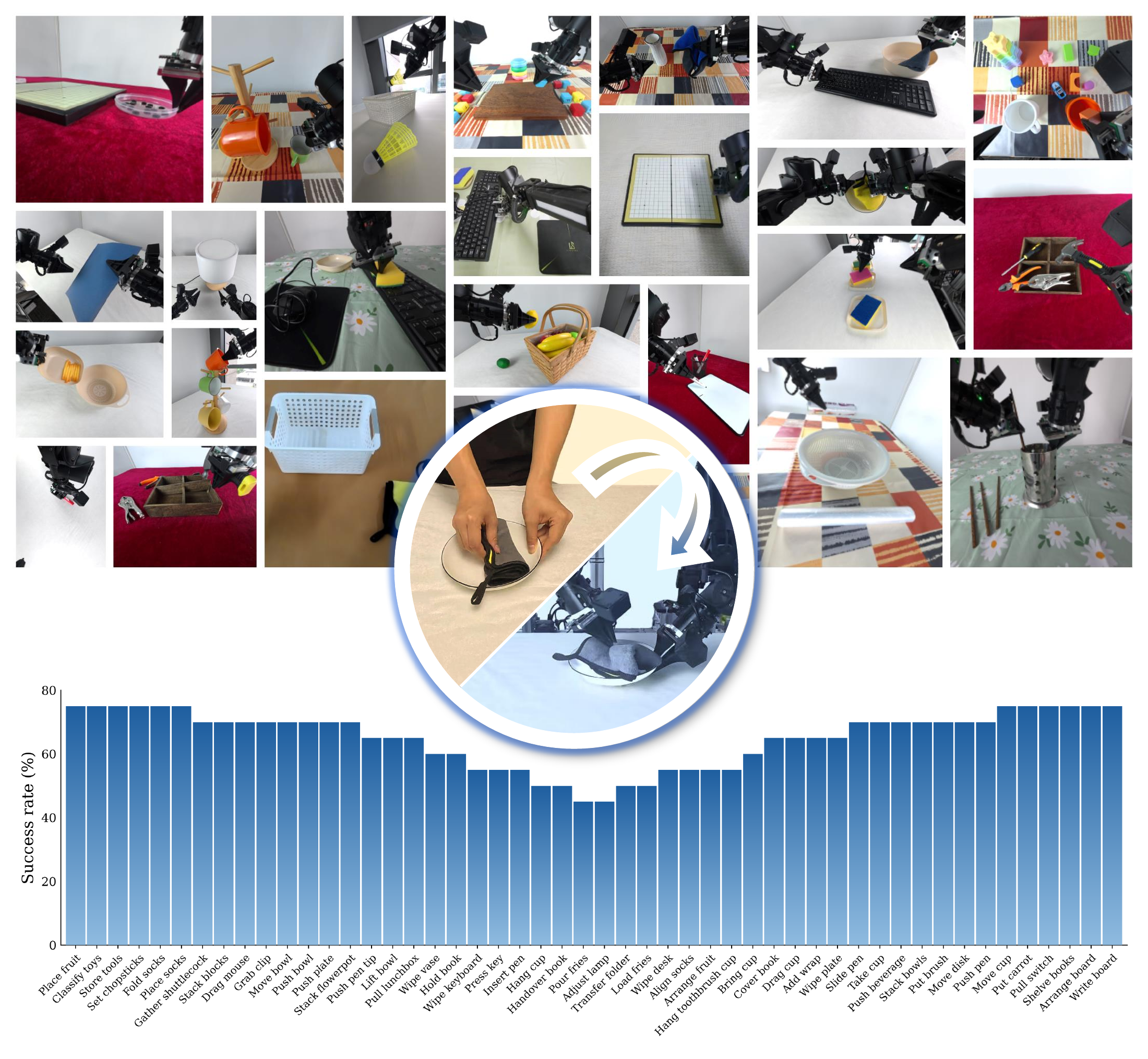
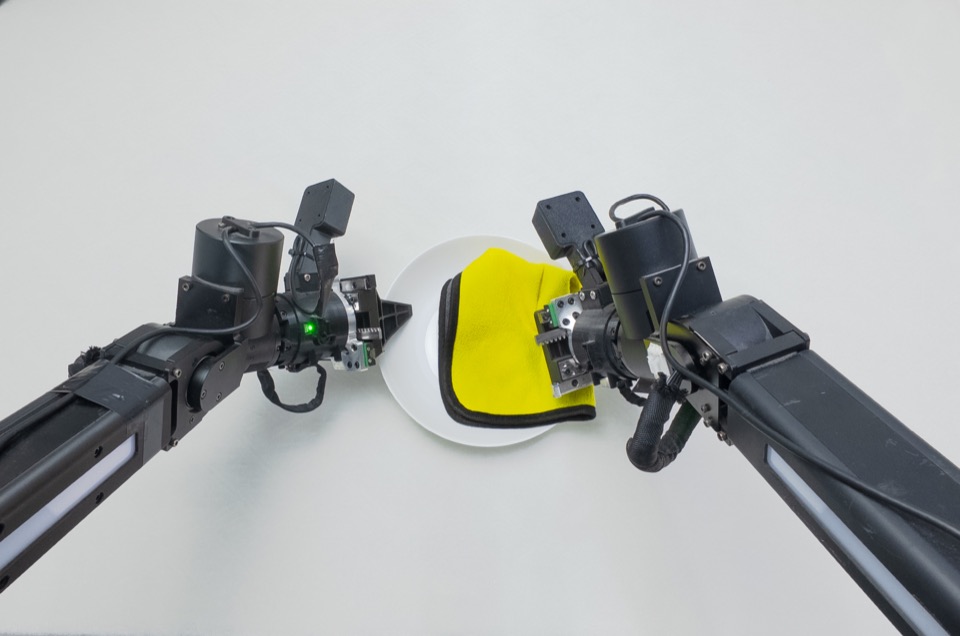
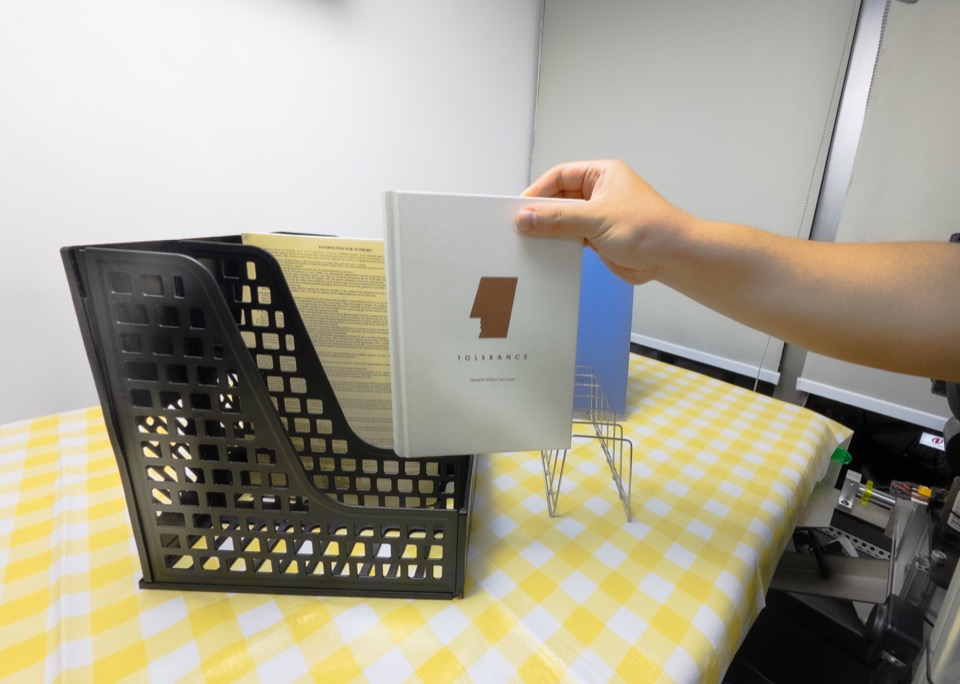
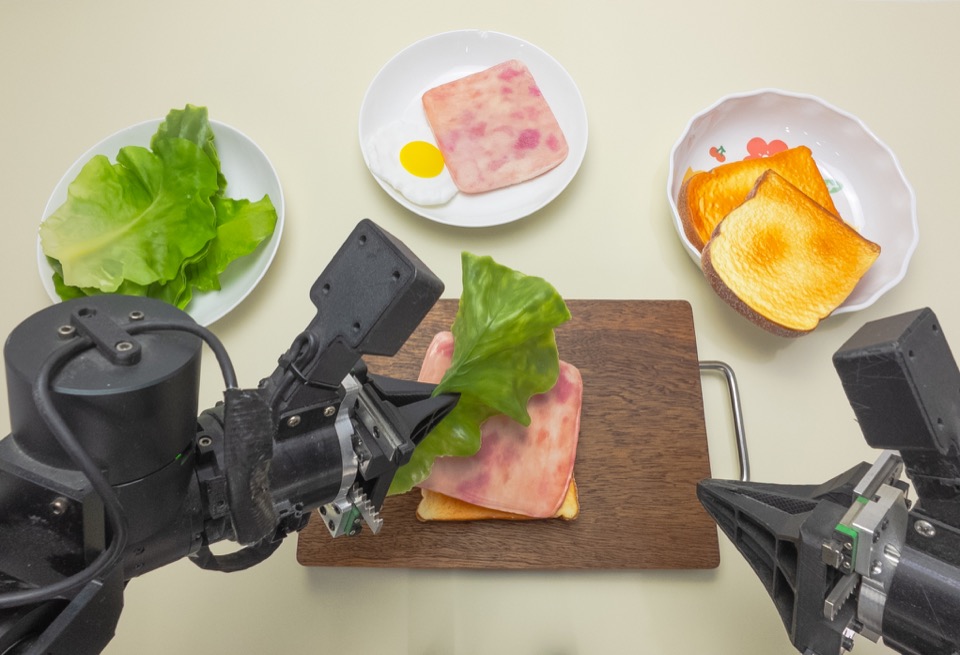
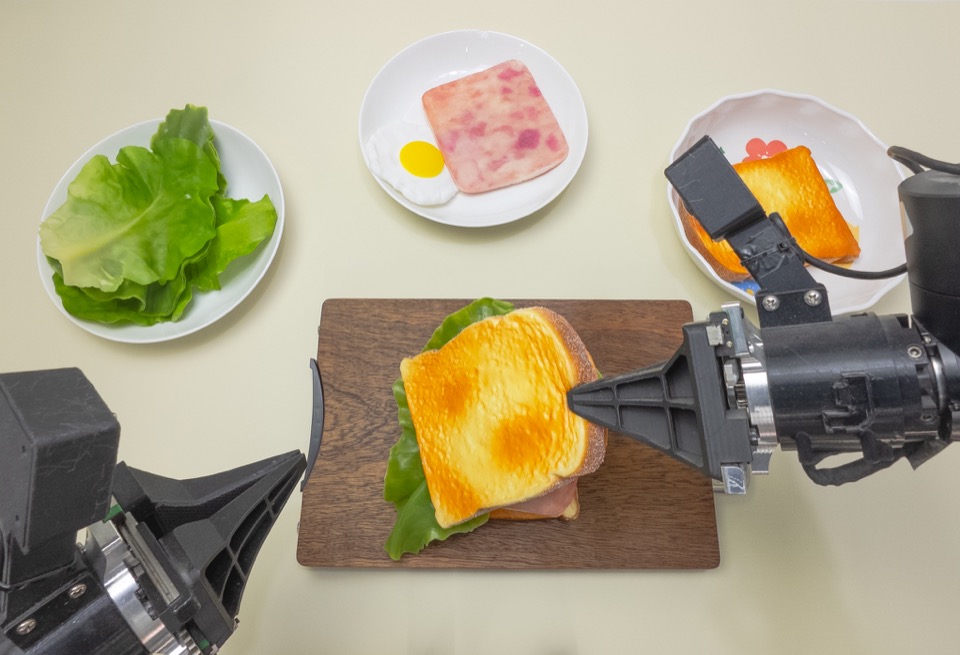
Two real-world skill-acquisition highlights, from a human demonstration to autonomous robot execution.
Select the side film or navigation dots to switch between the two featured tasks.
Paired human demonstrations and robot executions shown in a continuously cycling gallery.
Clean keyboard · Human → HOST → Robot
A continuously moving gallery of real-world robot manipulation tasks. Select any task to play the complete clip.
04 — Results
Overview
HOST exceeds the strongest baseline on novel tasks by +43%, uses 50× fewer demonstrations, is ~507× faster, and retains 99% of previously mastered skills.
Human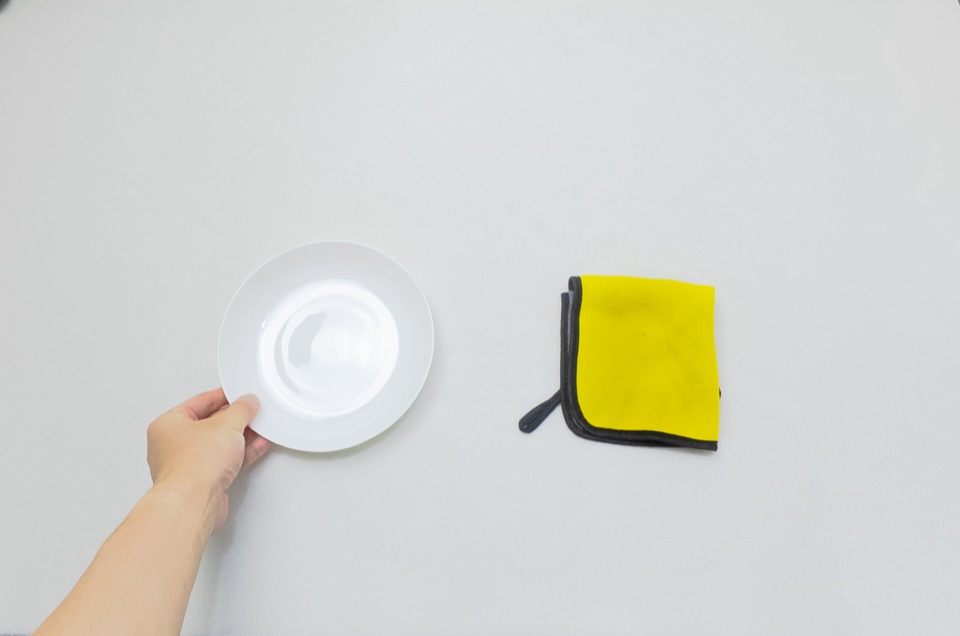
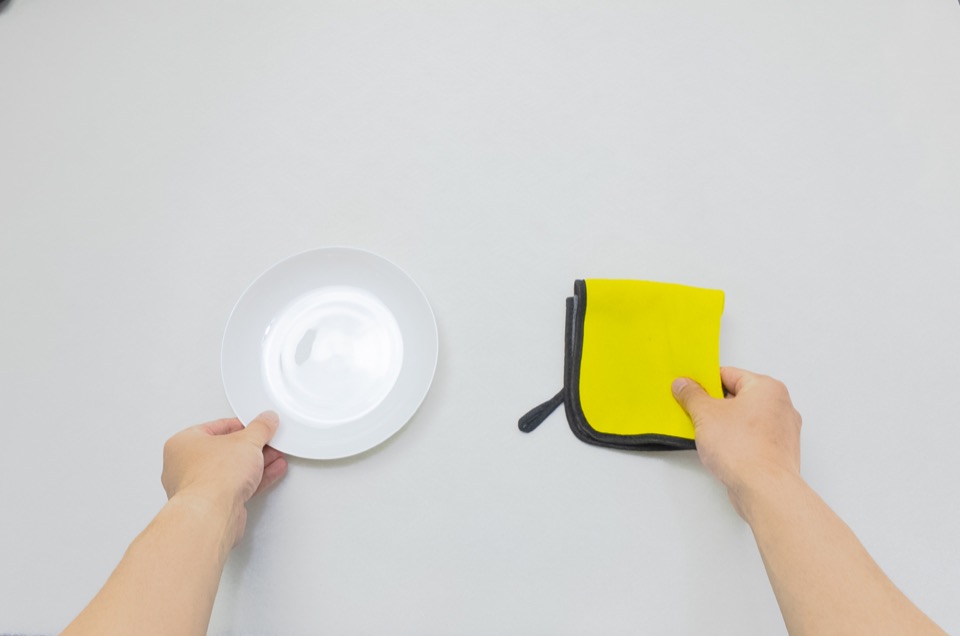
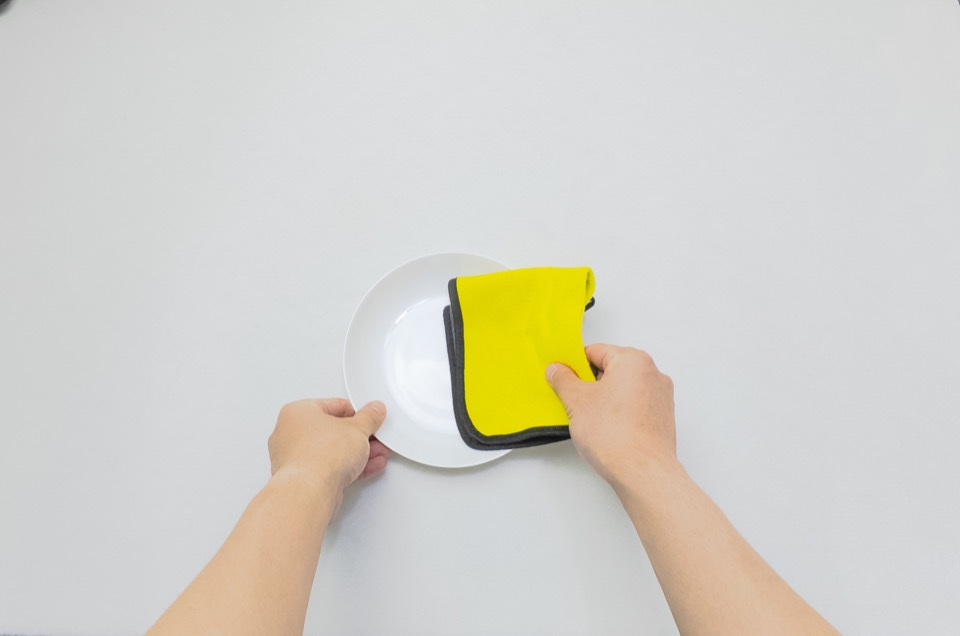
Robot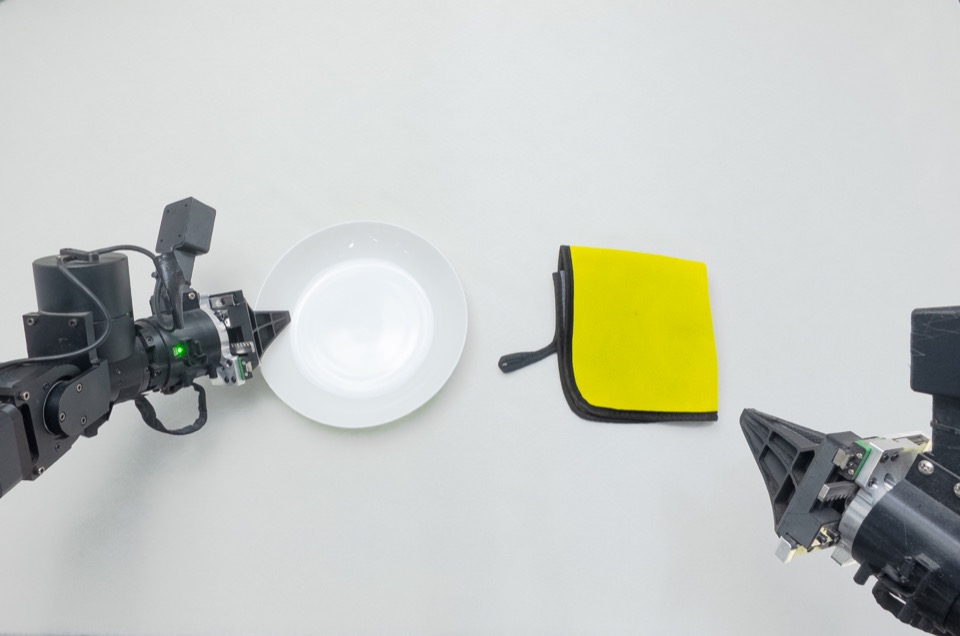
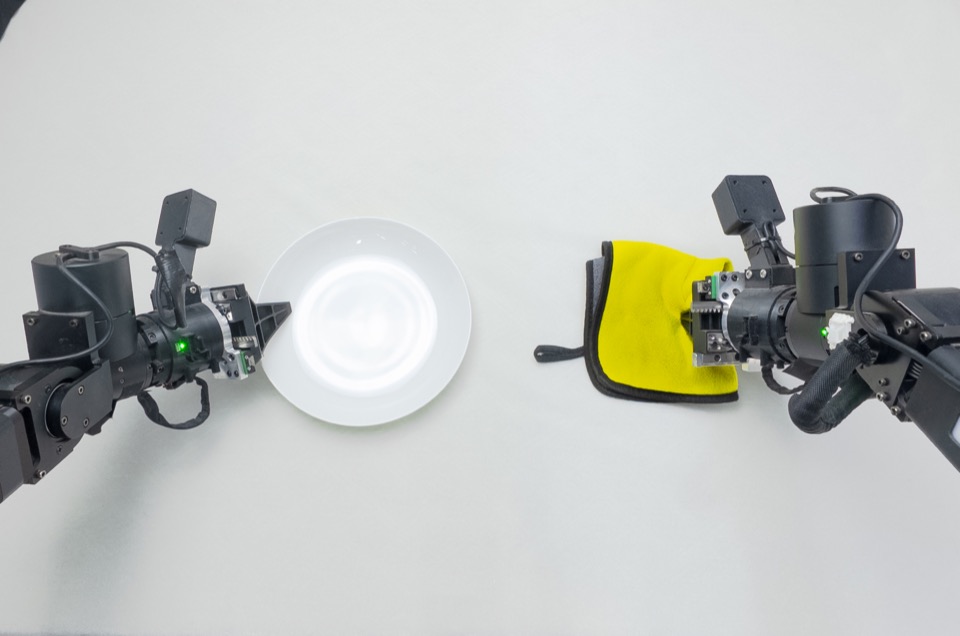
Human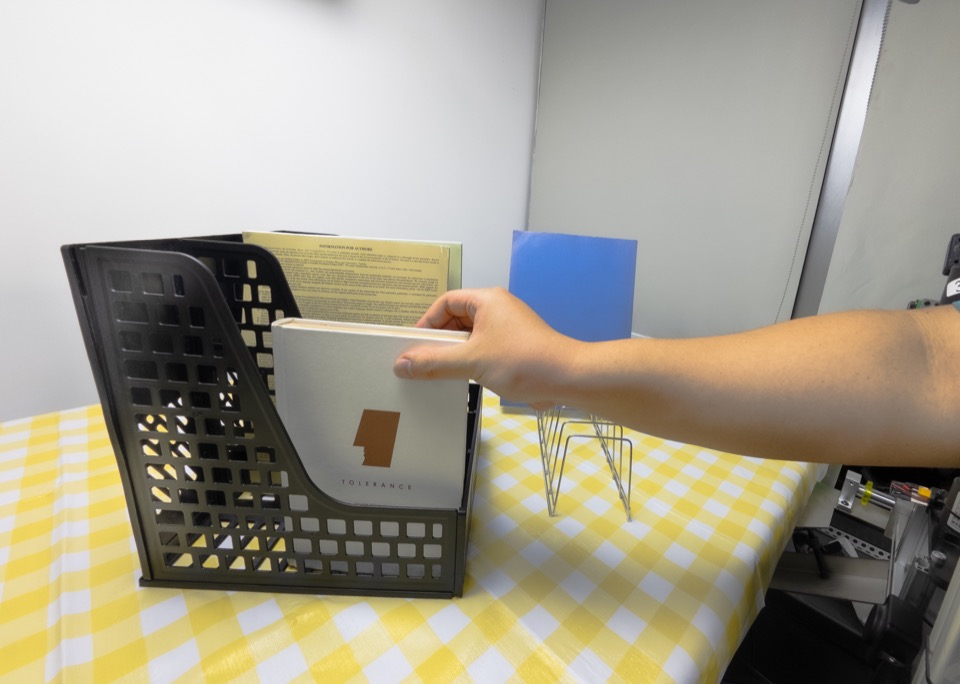
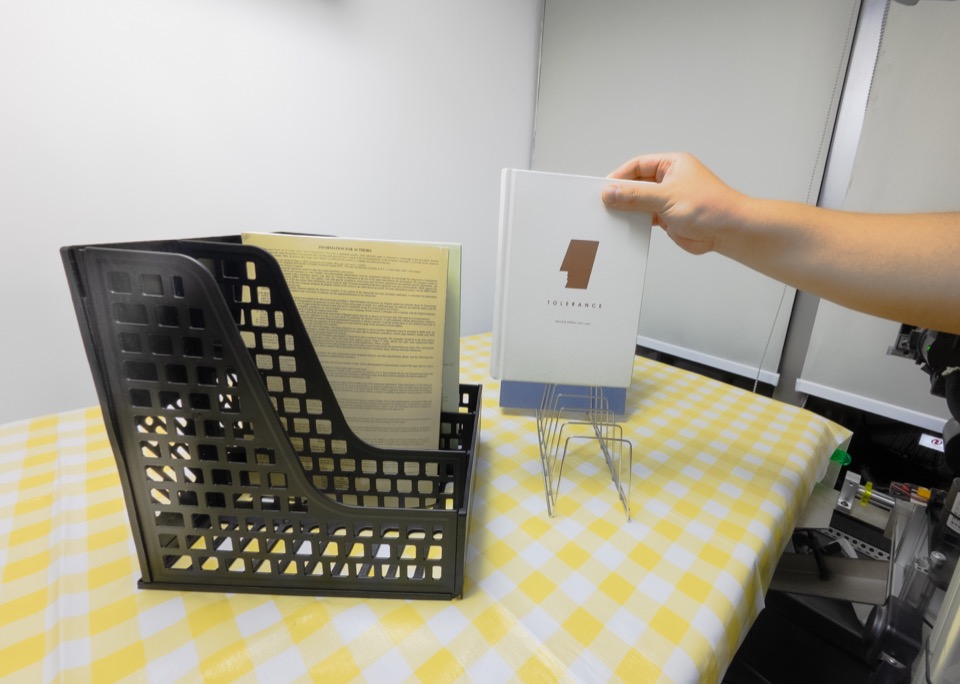
Robot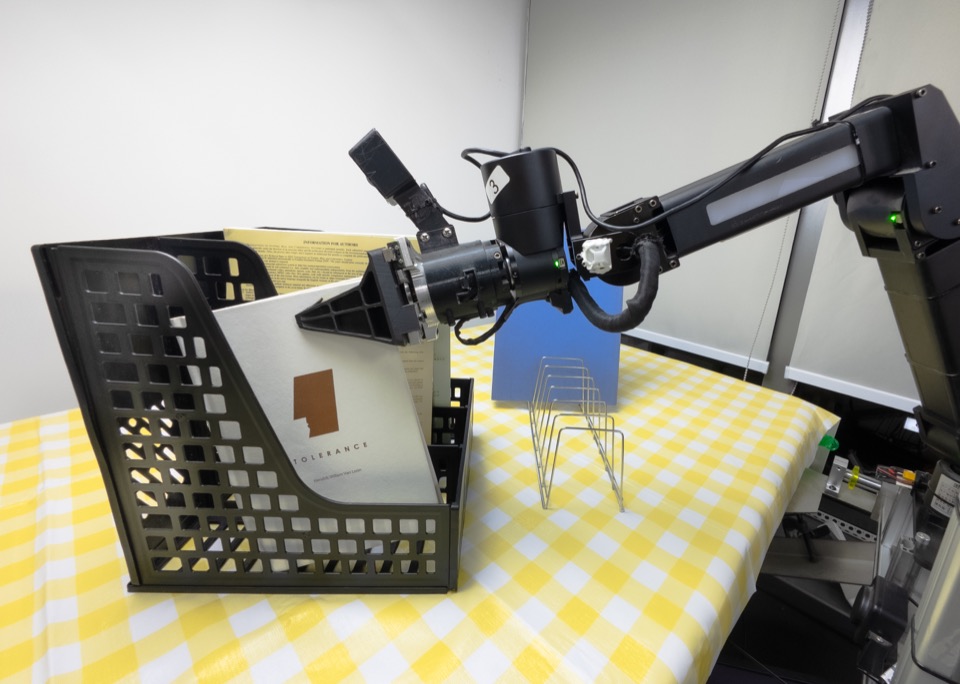
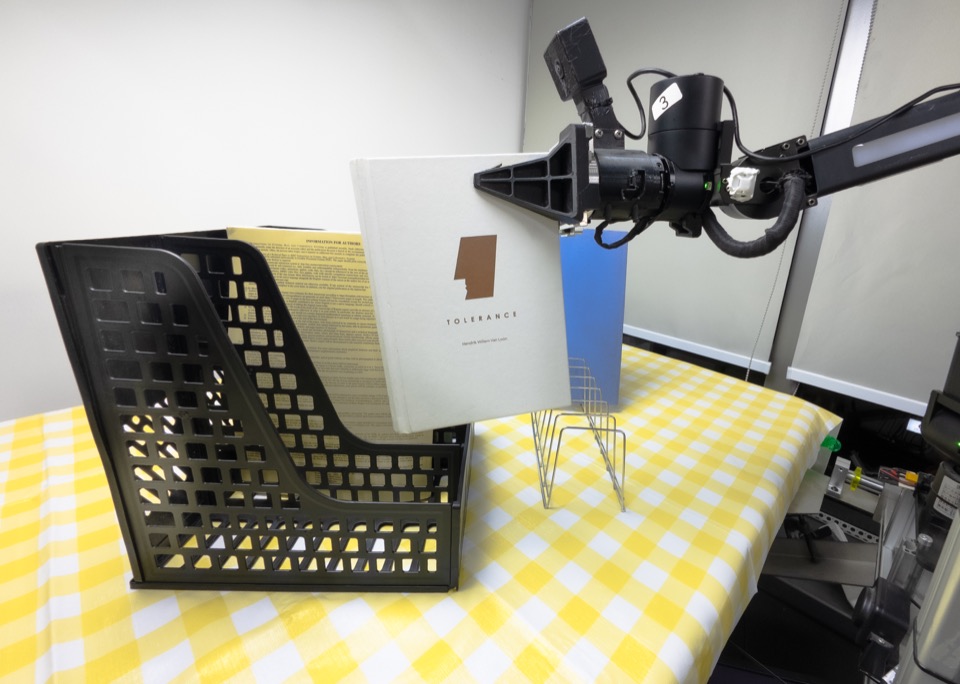
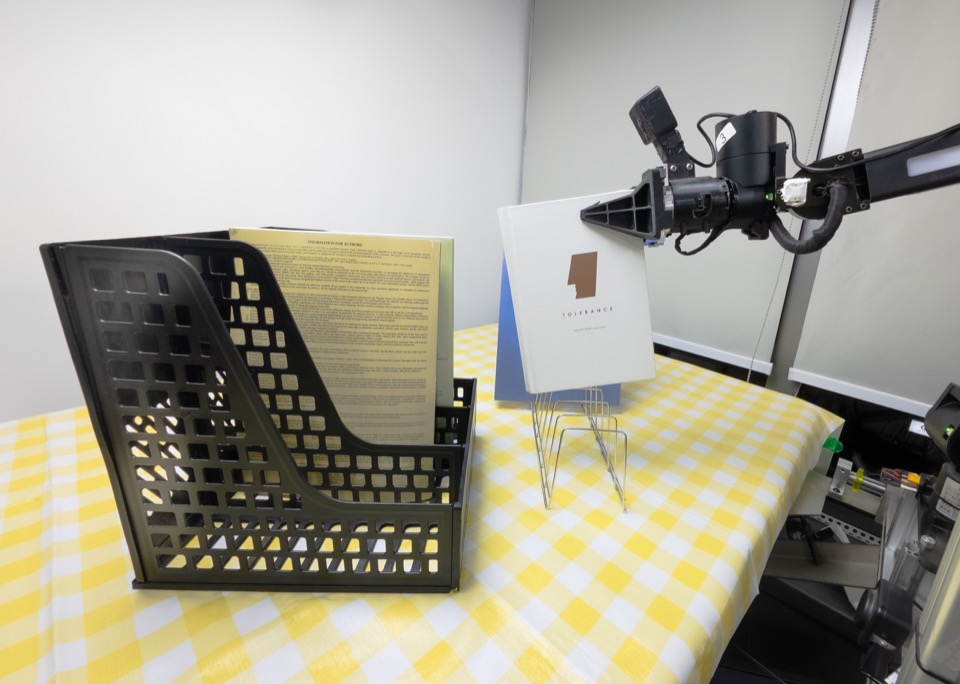
Human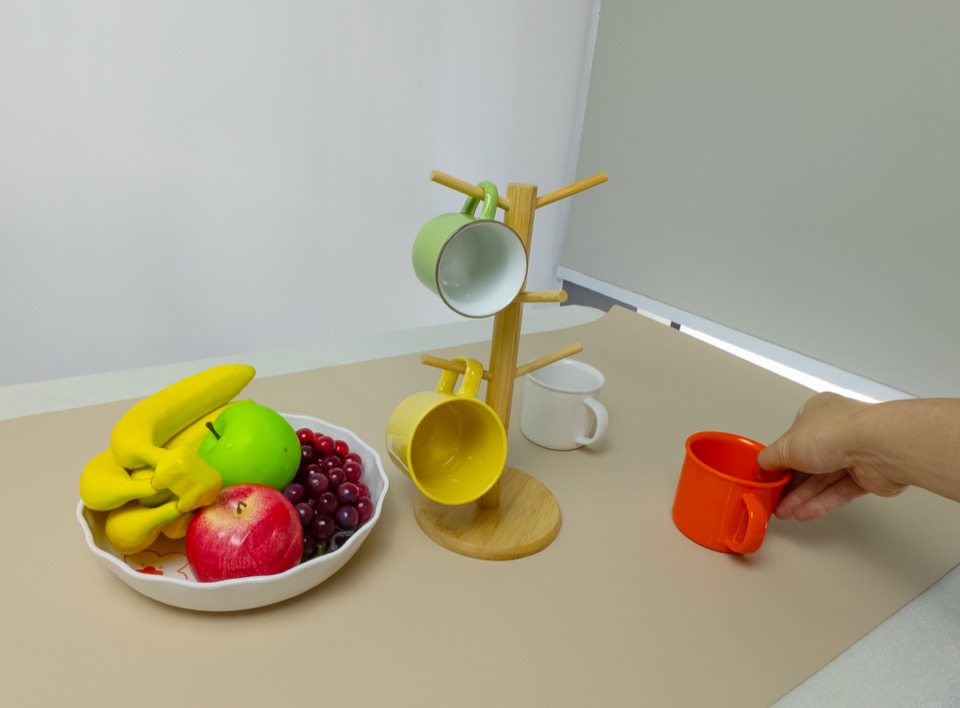
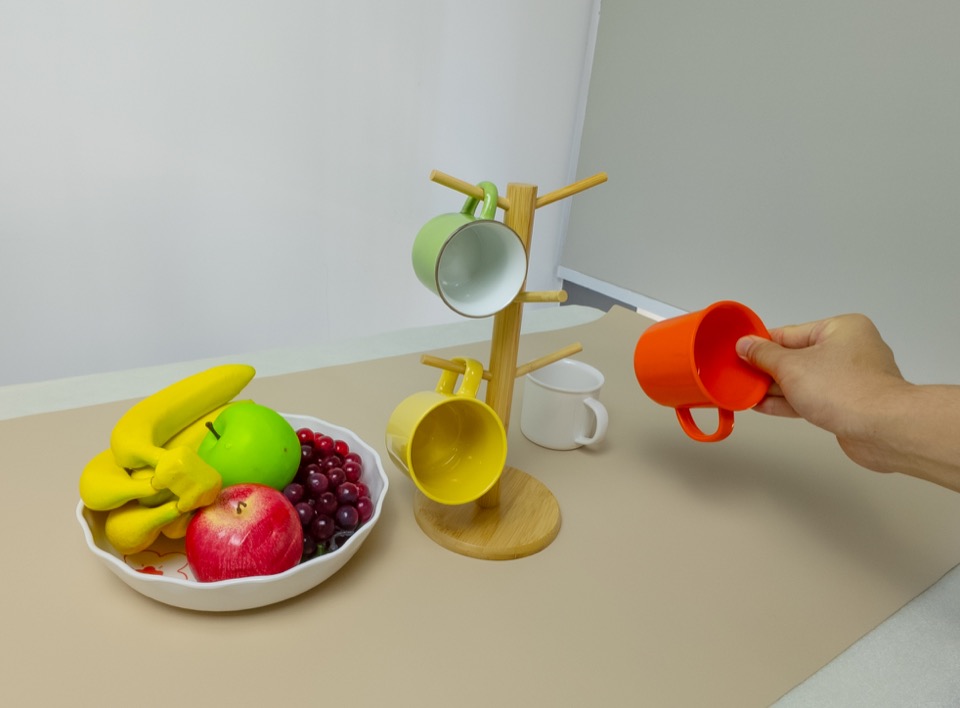
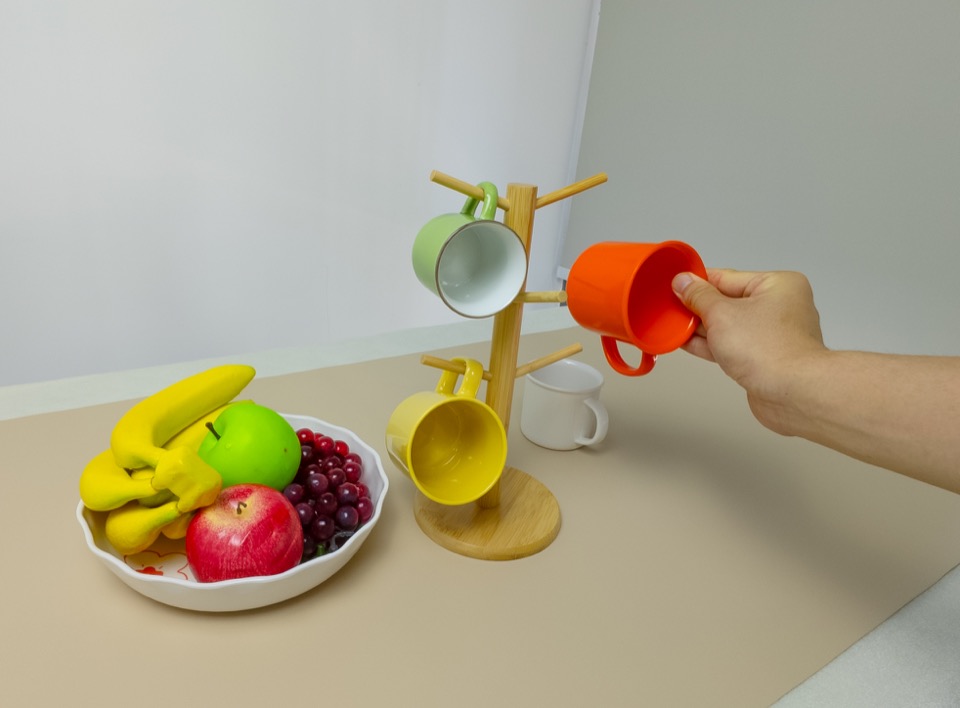
Robot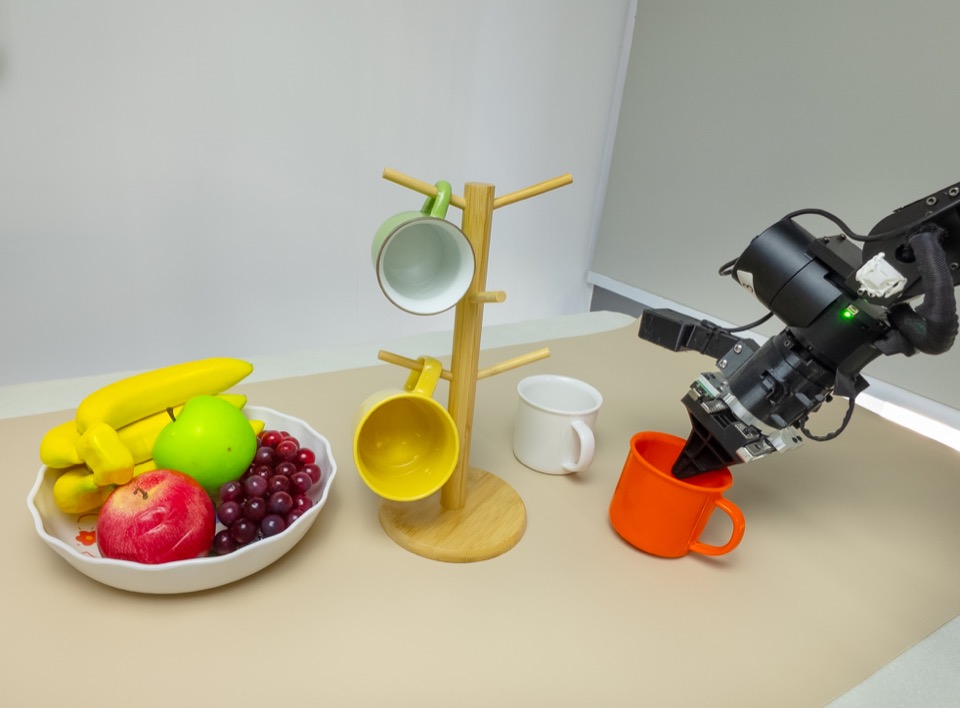
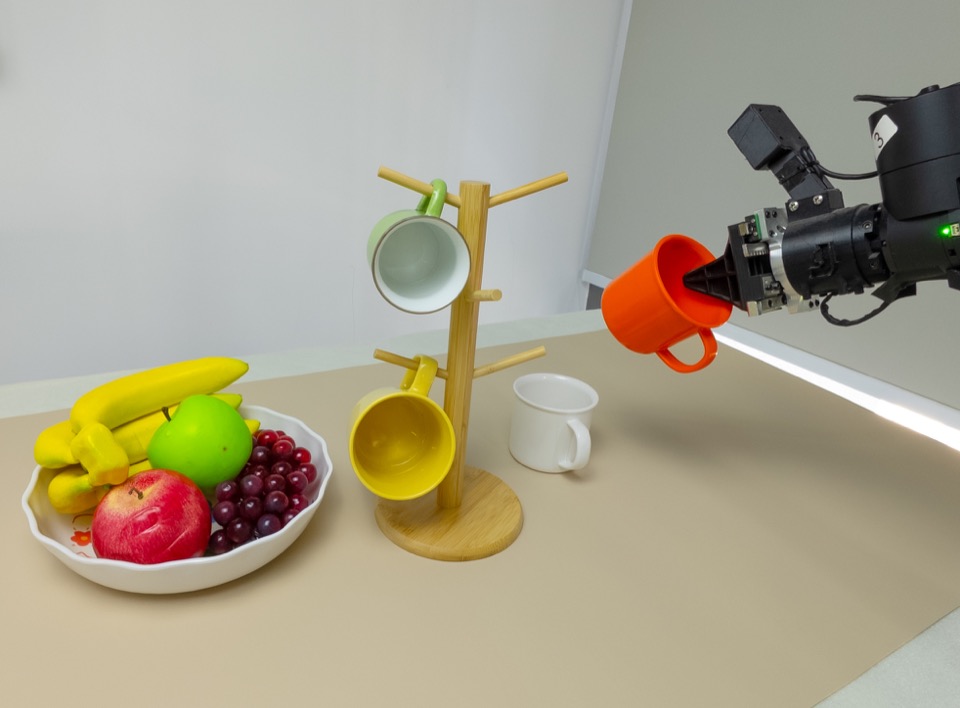
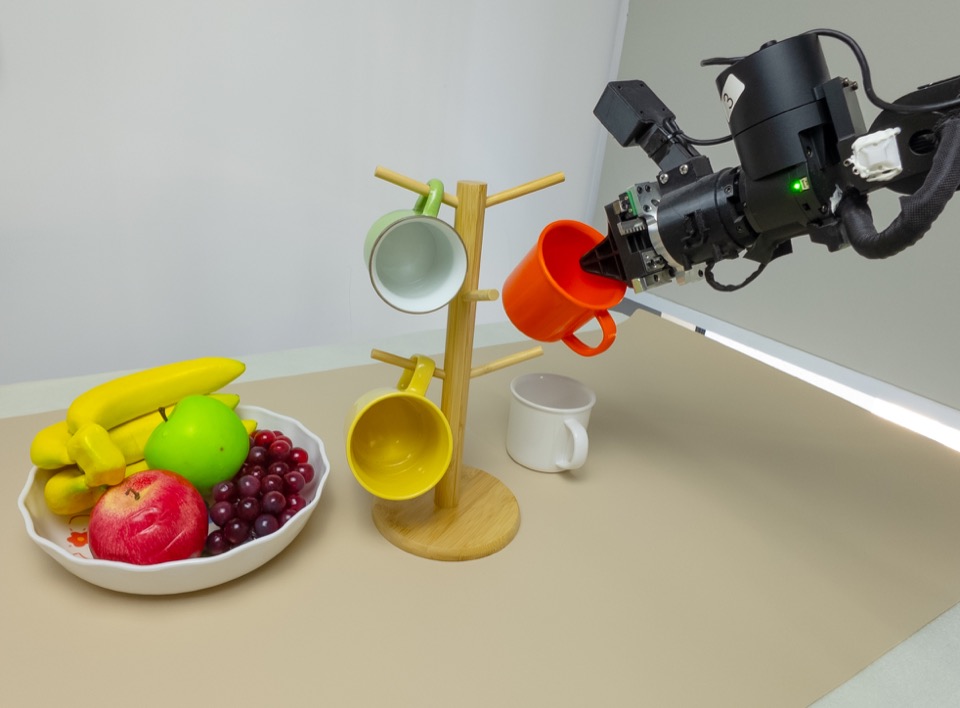
Human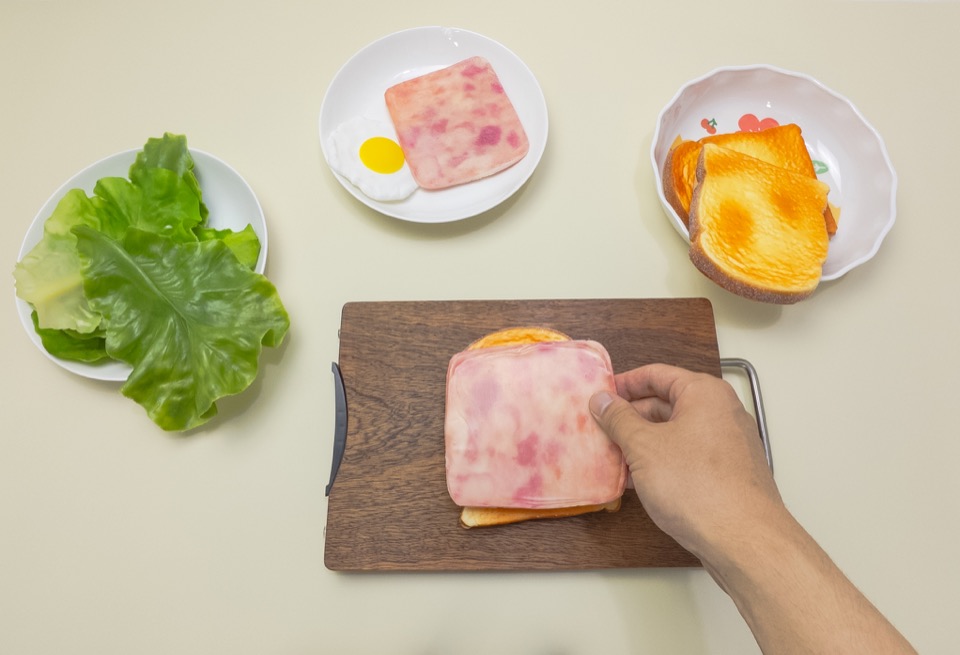
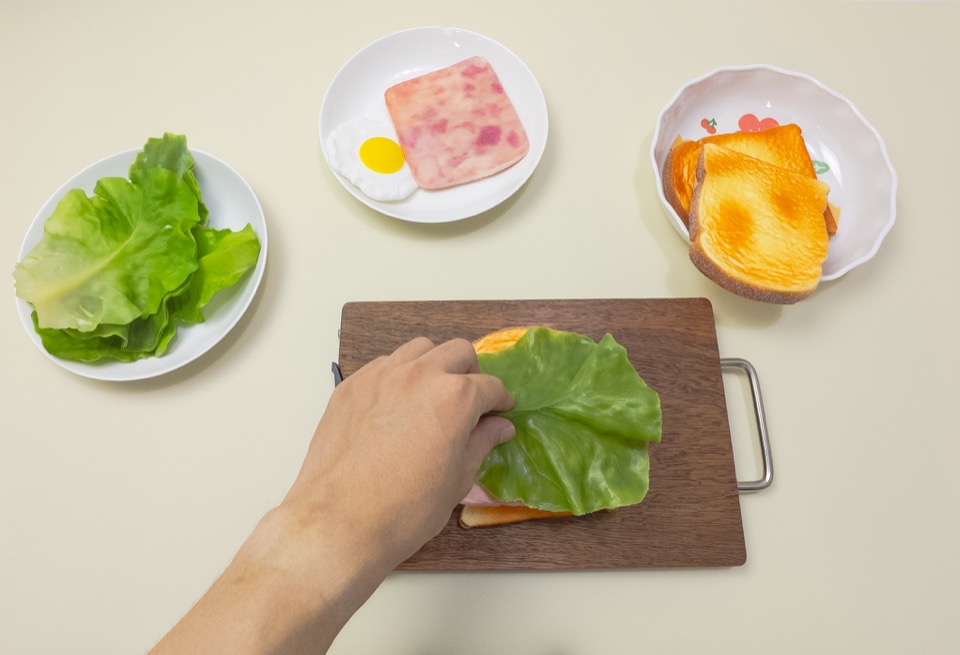
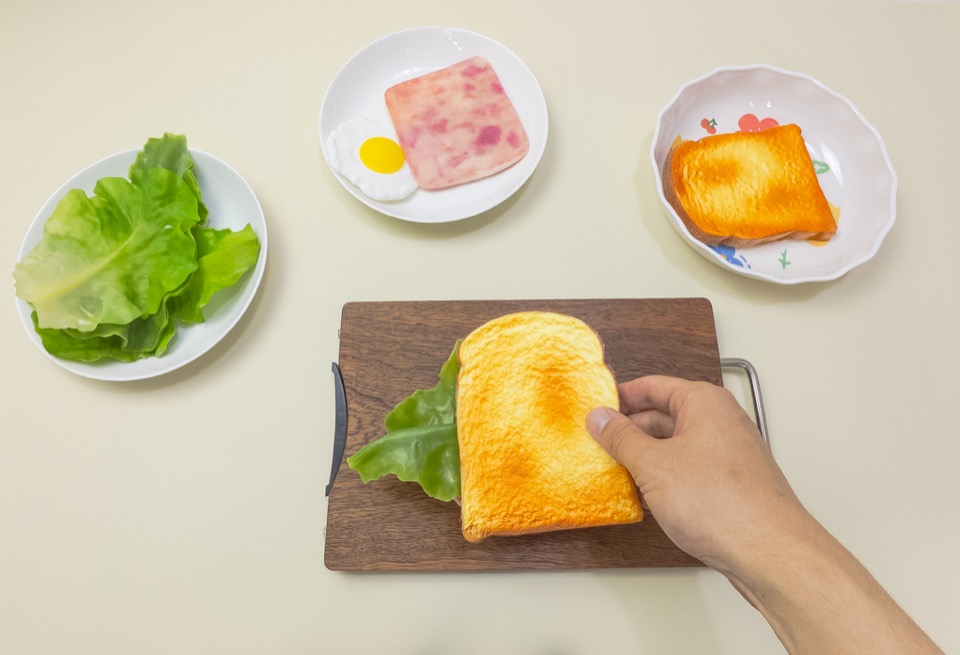
Robot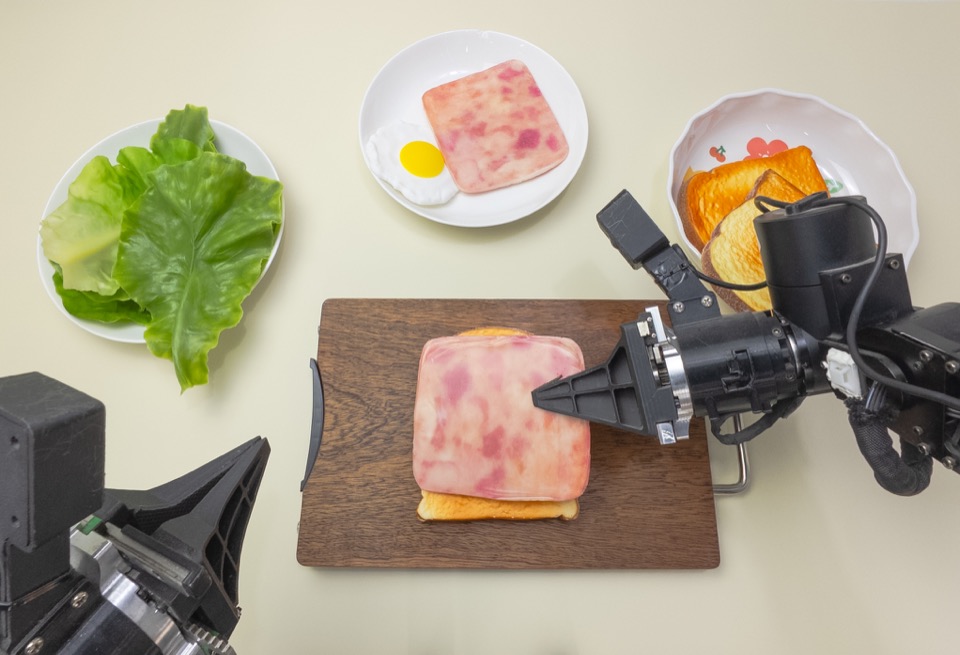
Comparison with baselines on novel tasks.
Eight novel tasks whose skills are absent from training data, 20 trials each. HOST exceeds the strongest baseline average by +43% against OSVI (Vid2Robot, AWDA) and zero-shot language-conditioned (π0.5, Wall-OSS, HOST-base) methods.
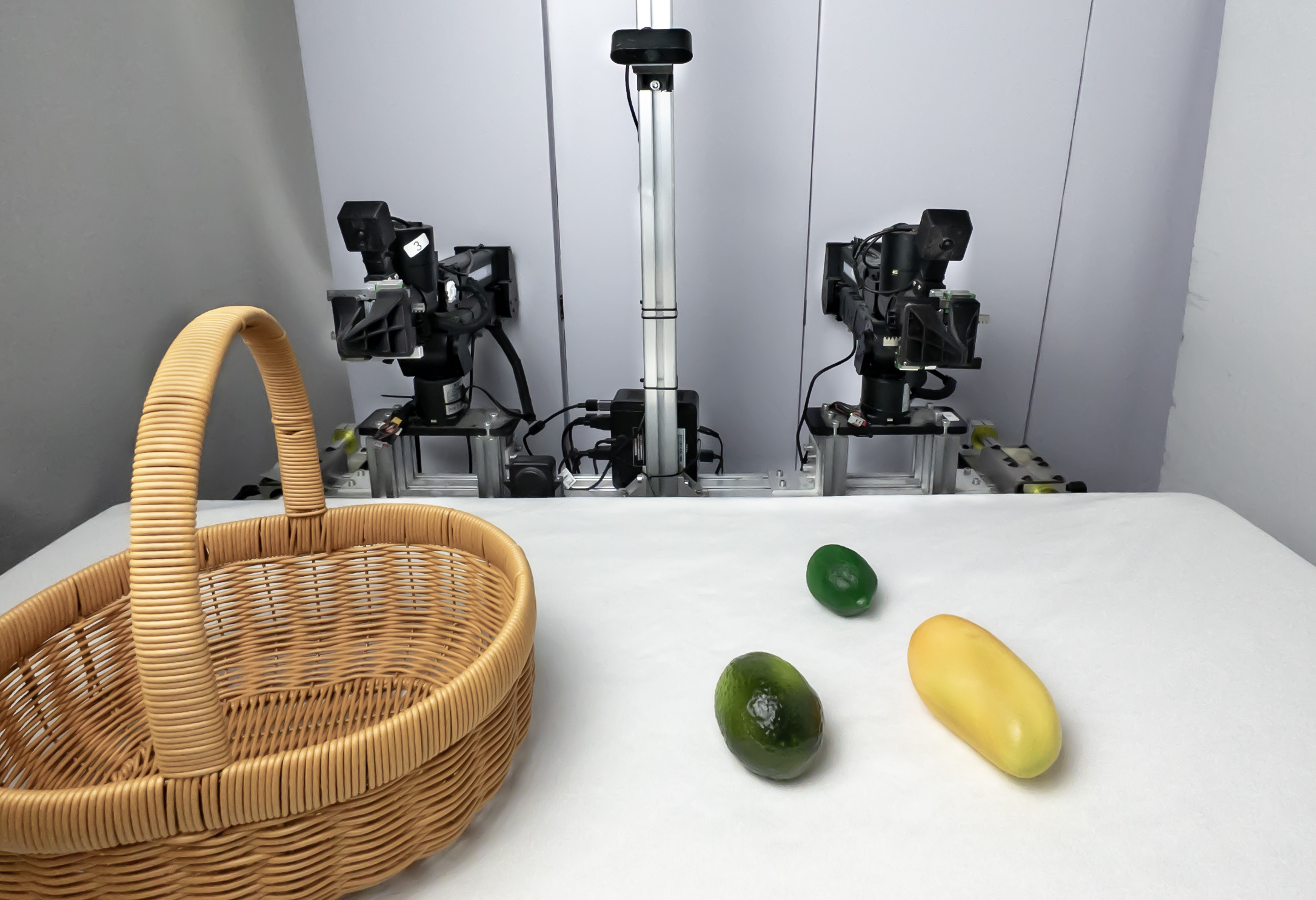
Selected taskPlace fruits20 randomized trials
- Vid2Robot V
- 5%
- AWDA V
- 5%
- π0.5 L
- 0%
- Wall-OSS L
- 0%
- HOST-base L
- 0%
- HOST V
- 50%
Vid2Robot5AWDA5π0.50Wall-OSS0HOST-base0HOST50
Vid2Robot15AWDA20π0.515Wall-OSS20HOST-base5HOST55
Vid2Robot25AWDA30π0.520Wall-OSS35HOST-base10HOST75
Vid2Robot5AWDA10π0.50Wall-OSS0HOST-base0HOST60
Vid2Robot15AWDA20π0.510Wall-OSS30HOST-base0HOST50
Vid2Robot20AWDA20π0.510Wall-OSS15HOST-base5HOST60
Vid2Robot15AWDA20π0.515Wall-OSS25HOST-base5HOST65
Vid2Robot25AWDA25π0.515Wall-OSS10HOST-base5HOST80
Data and time efficiency of skill acquisition.
HOST reaches 62% from a single human video in ~29 seconds — beating every SFT baseline that needs 10–50 teleoperated demonstrations and 2.5–4.9 hours per task.
Data efficiency · success rate vs. demos
Time efficiency · skill-acquisition time (log)
Per-task success (top, up) and acquisition time (bottom, log)
Retention of previously mastered skills.
HOST retains 99% of its performance on the seven previously mastered tasks, while every SFT baseline erodes sharply as the demonstration budget grows.
Align flowersAll settings
- π0.5
- Before65%1040%2030%5010%
- Wall-OSS
- Before85%1080%2050%5045%
- HOST-base
- Before65%1050%2030%5015%
- HOST
- Before70%1065%2070%5080%
π0.565Wall-OSS65HOST-base70HOST75
π0.555Wall-OSS65HOST-base60HOST75
π0.525Wall-OSS40HOST-base30HOST85
π0.515Wall-OSS25HOST-base10HOST75
π0.560Wall-OSS50HOST-base50HOST55
π0.545Wall-OSS45HOST-base40HOST65
π0.515Wall-OSS25HOST-base20HOST65
π0.55Wall-OSS10HOST-base10HOST60
π0.570Wall-OSS85HOST-base65HOST85
π0.555Wall-OSS80HOST-base55HOST80
π0.520Wall-OSS55HOST-base30HOST85
π0.55Wall-OSS40HOST-base10HOST75
π0.580Wall-OSS50HOST-base60HOST80
π0.575Wall-OSS40HOST-base50HOST85
π0.535Wall-OSS25HOST-base30HOST80
π0.510Wall-OSS10HOST-base15HOST85
π0.570Wall-OSS75HOST-base60HOST75
π0.555Wall-OSS70HOST-base50HOST70
π0.545Wall-OSS55HOST-base30HOST65
π0.520Wall-OSS45HOST-base15HOST65
π0.570Wall-OSS90HOST-base70HOST90
π0.565Wall-OSS80HOST-base60HOST85
π0.555Wall-OSS70HOST-base35HOST80
π0.530Wall-OSS55HOST-base20HOST80
π0.565Wall-OSS85HOST-base65HOST70
π0.540Wall-OSS80HOST-base50HOST65
π0.530Wall-OSS50HOST-base30HOST70
π0.510Wall-OSS45HOST-base15HOST80
Robustness
Robustness under deployment perturbations.
HOST retains the great majority of its 62% default success under all four perturbations — lighting, out-of-distribution objects, scene replacement, and human disturbance during execution — with only 1–9% aggregate drop.
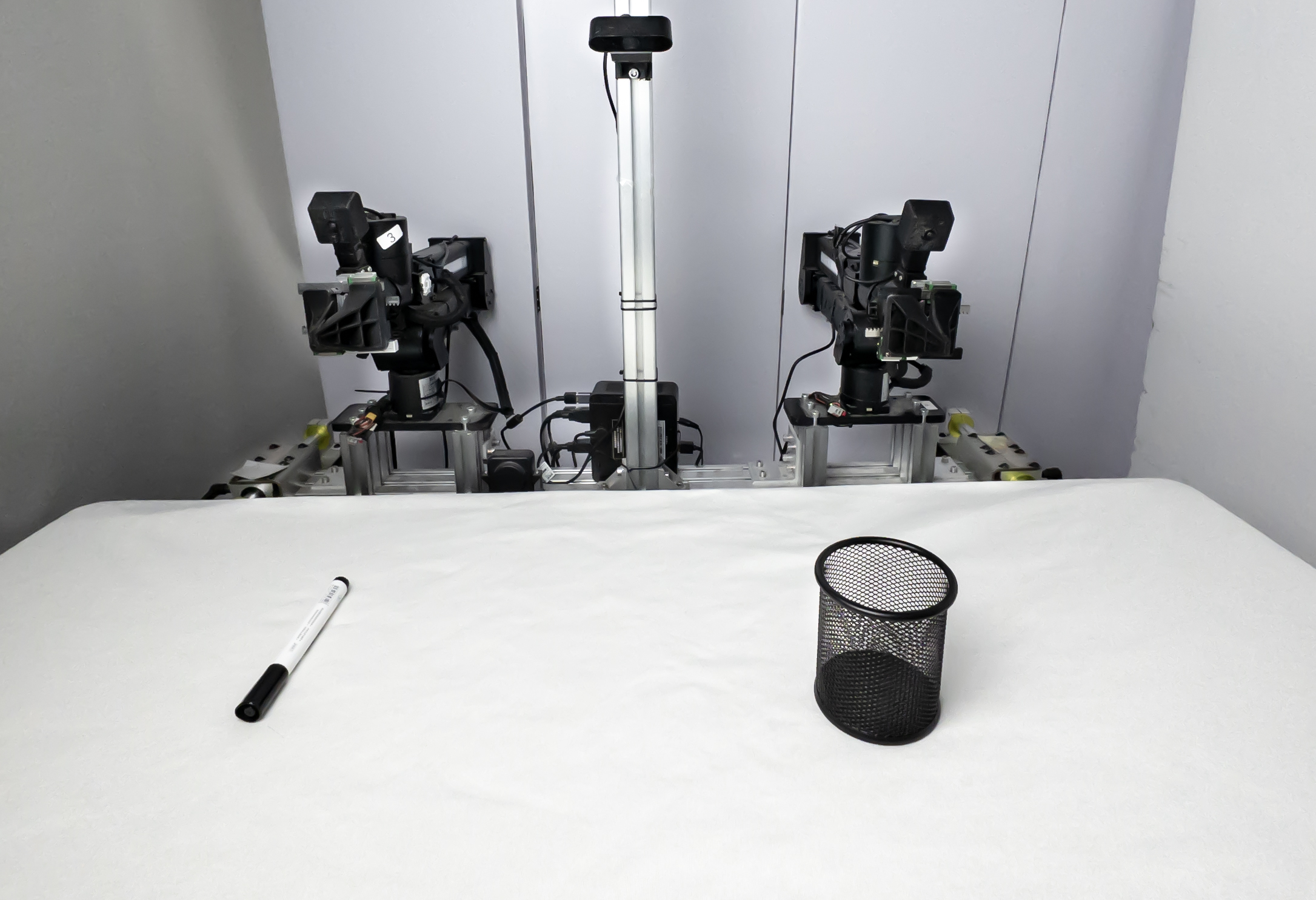
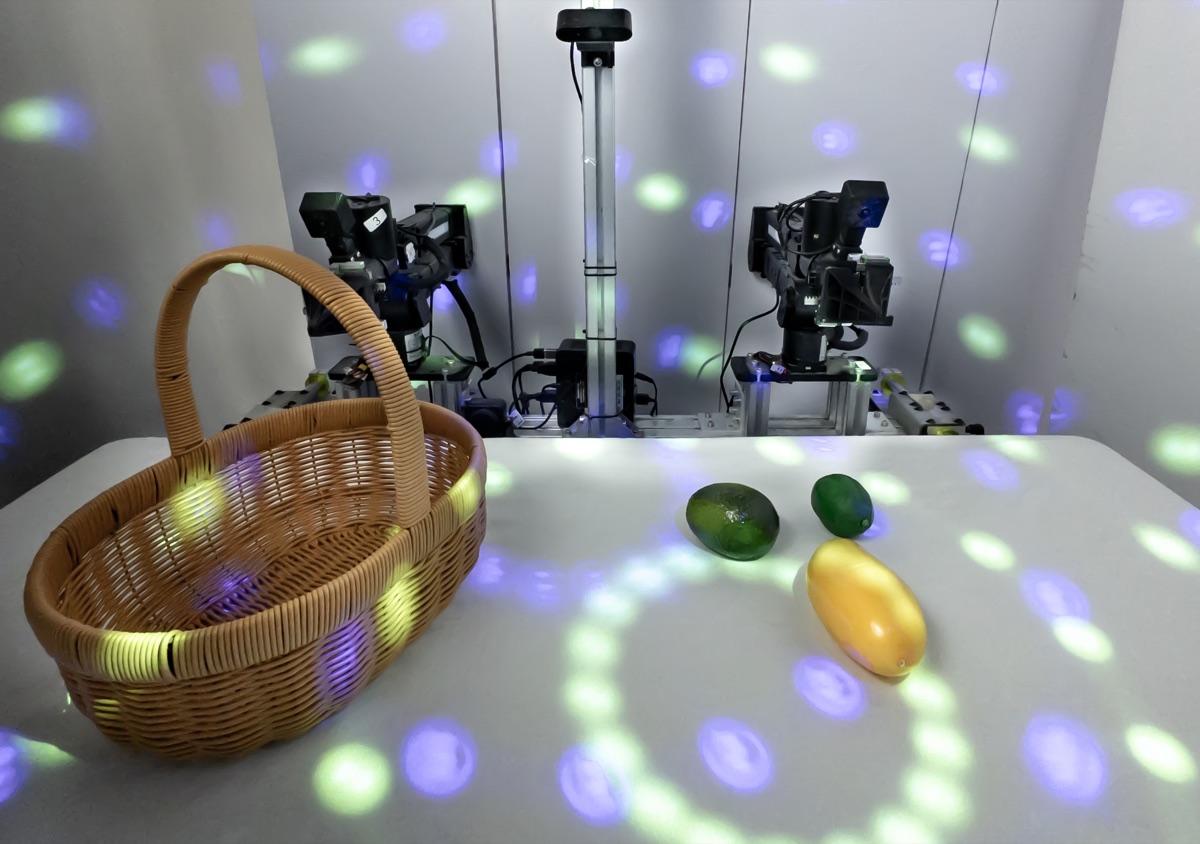
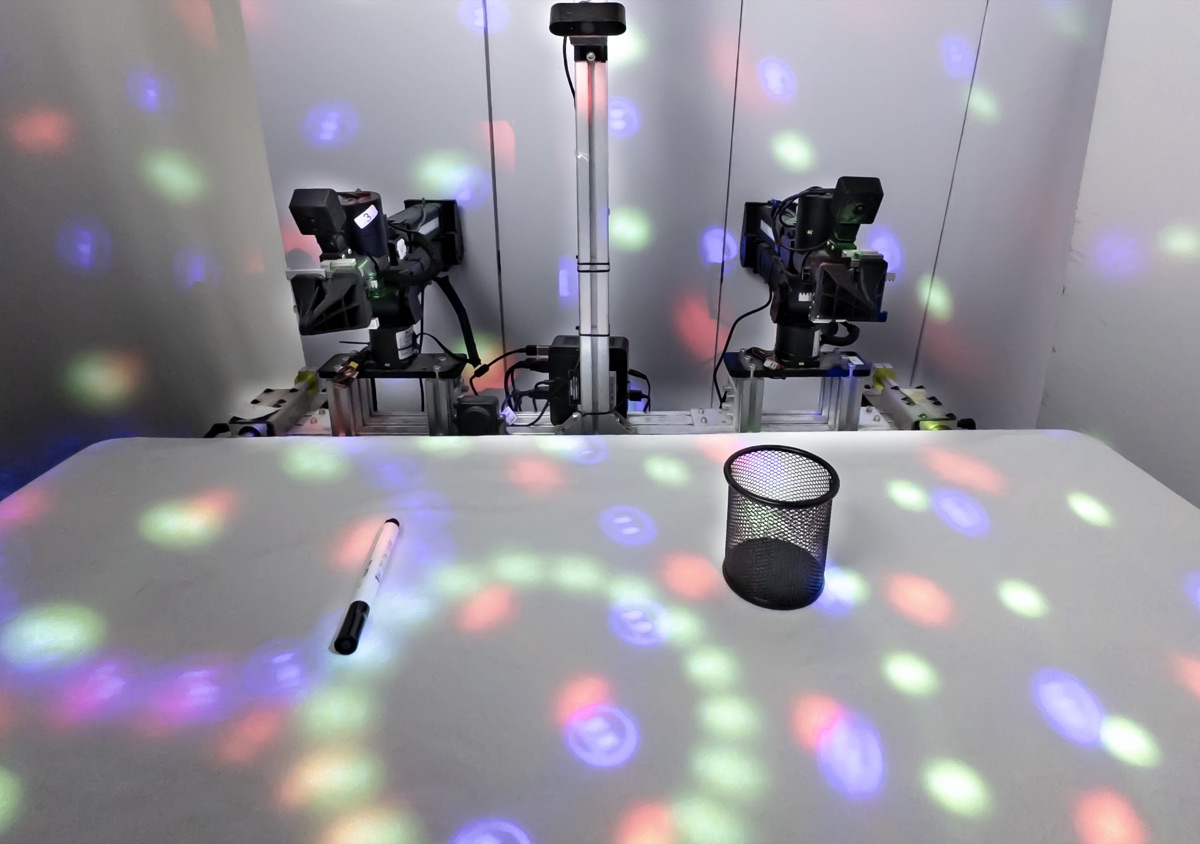
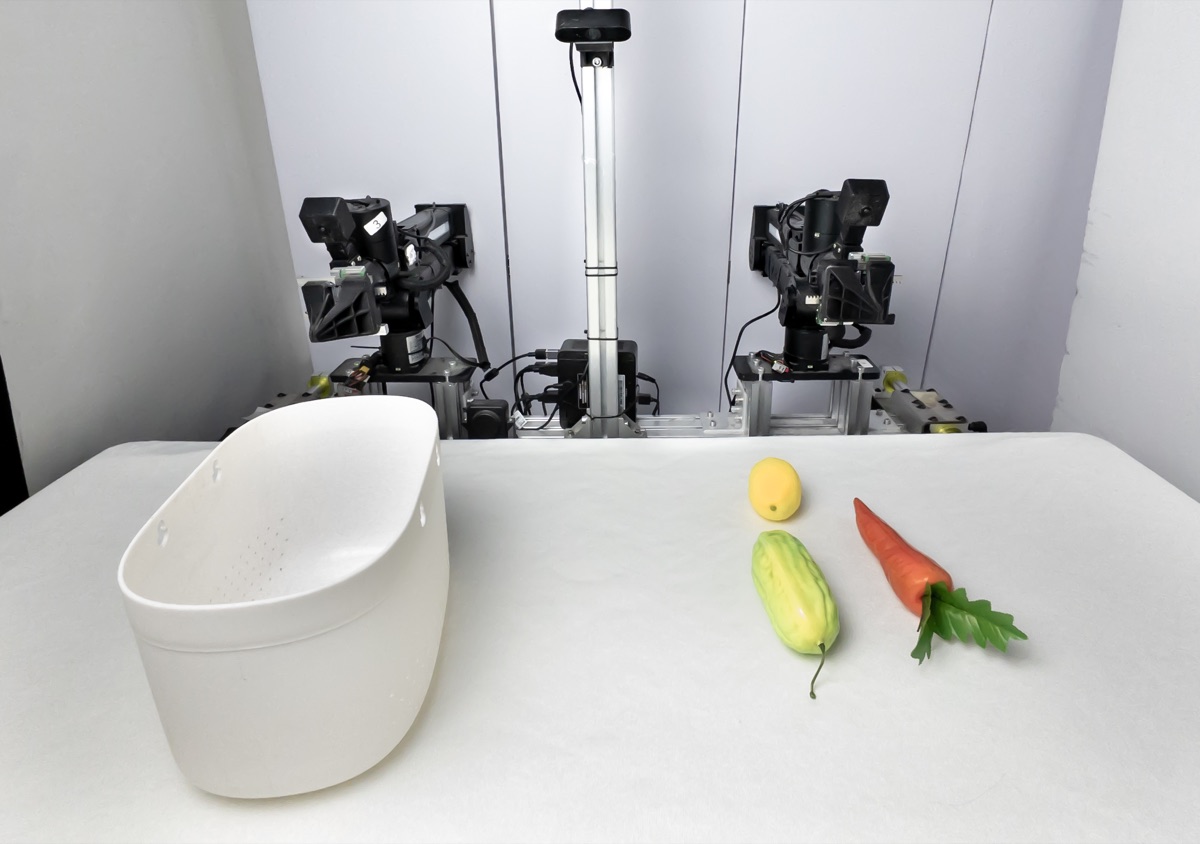
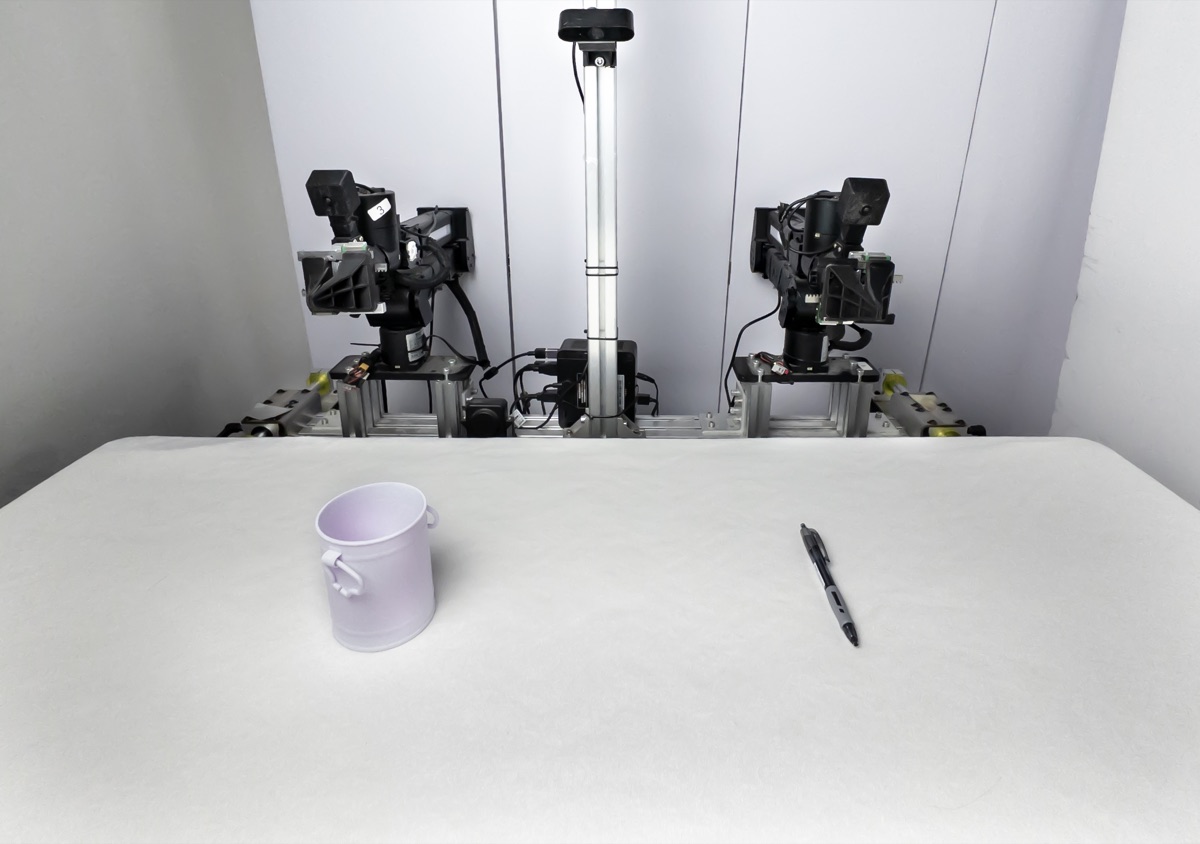
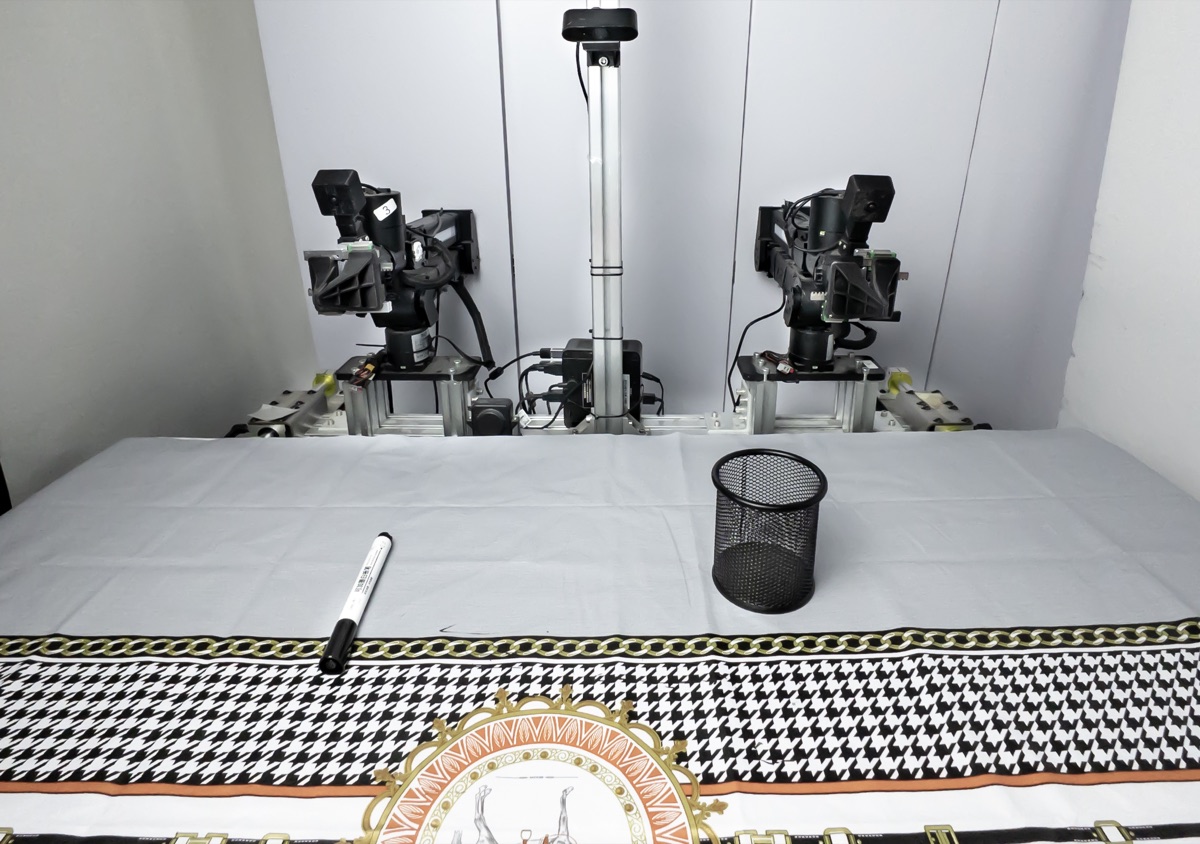
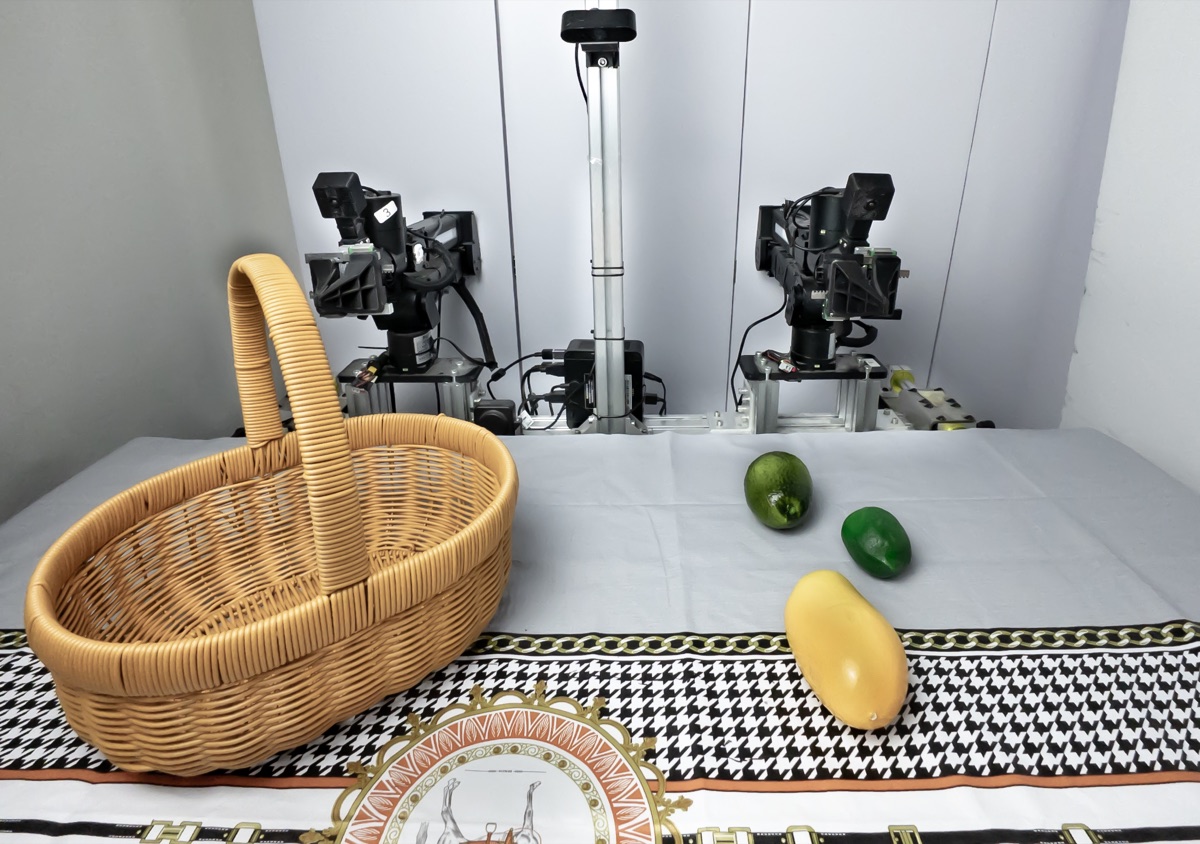
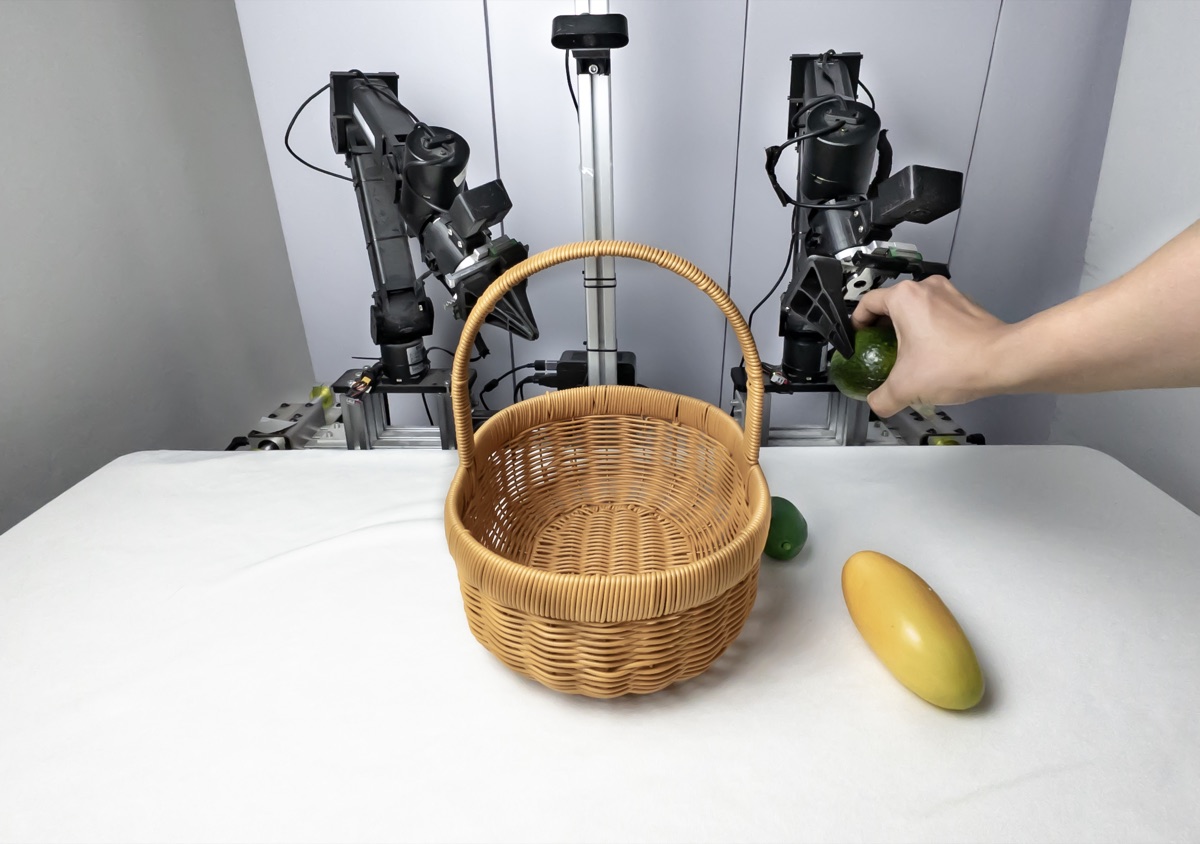
Perturbation
Average
Place fruits
Pick pen
Stack bowls
Wipe plate
Insert pen
Cover book
Stack pots
Fold socks
Default
62
50
55
75
60
50
60
65
80
Lighting
61 −1
50
55
75
55
55
50
65
80
Objects
58 −4
45
60
75
50
55
55
65
60
Scene
56 −6
50
50
60
55
45
55
65
65
Human
53 −9
40
55
70
55
40
50
60
55
| Task | Vid2Robot | AWDA | π0.5 | Wall-OSS | HOST-base | HOST |
|---|---|---|---|---|---|---|
| Place fruits | 5 | 5 | 0 | 0 | 0 | 50 |
| Pick pen | 15 | 20 | 15 | 20 | 5 | 55 |
| Stack bowls | 25 | 30 | 20 | 35 | 10 | 75 |
| Wipe plate | 5 | 10 | 0 | 0 | 0 | 60 |
| Insert pen | 15 | 20 | 10 | 30 | 0 | 50 |
| Cover book | 20 | 20 | 10 | 15 | 5 | 60 |
| Stack pots | 15 | 20 | 15 | 25 | 5 | 65 |
| Fold socks | 25 | 25 | 15 | 10 | 5 | 80 |
05 — Cite
@misc{chen2026robotsacquiremanipulationskills,
  title={Robots Acquire Manipulation Skills in Seconds from a Single Human Video},
  author={Guangyan Chen and Meiling Wang and Te Cui and Zichen Zhou and Qi Shao and Shalfun Li and Hang Su and Roy Gan and Hao Wang and Mengyin Fu and Yi Yang and Yufeng Yue},
  year={2026},
  eprint={2607.20033},
  archivePrefix={arXiv},
  primaryClass={cs.RO},
  url={https://arxiv.org/abs/2607.20033},
}